
When the market crashes, Crypto Liquidation doesn’t just wipe out trades — it wipes out accounts in seconds. One violent candle is all it takes to trigger forced selling, margin calls, and a domino effect that most traders never see coming.
If you don’t understand how liquidations work, you’re not trading — you’re gambling with a countdown timer. You might be wondering how to keep your hard-earned money safe when the market takes a nosedive. This guide is here to help you understand what causes these sudden drops and, more importantly, how you can protect yourself and your investments.
If you’re unsure whether leverage is right for you, read our detailed guide on Spot vs Futures Trading to understand the risks, rewards, and which strategy fits your trading style.
Key Takeaways
- Understand that excessive borrowing (leverage) and platform issues can trigger rapid sell-offs, known as Crypto Liquidation cascades.
- Protect your portfolio by setting automatic sell limits (stop-loss orders) and avoiding borrowing money to invest.
- Stay calm during downturns by sticking to a plan, securing your digital assets properly, and setting up automated trading rules.
Understanding Crypto Liquidation Triggers
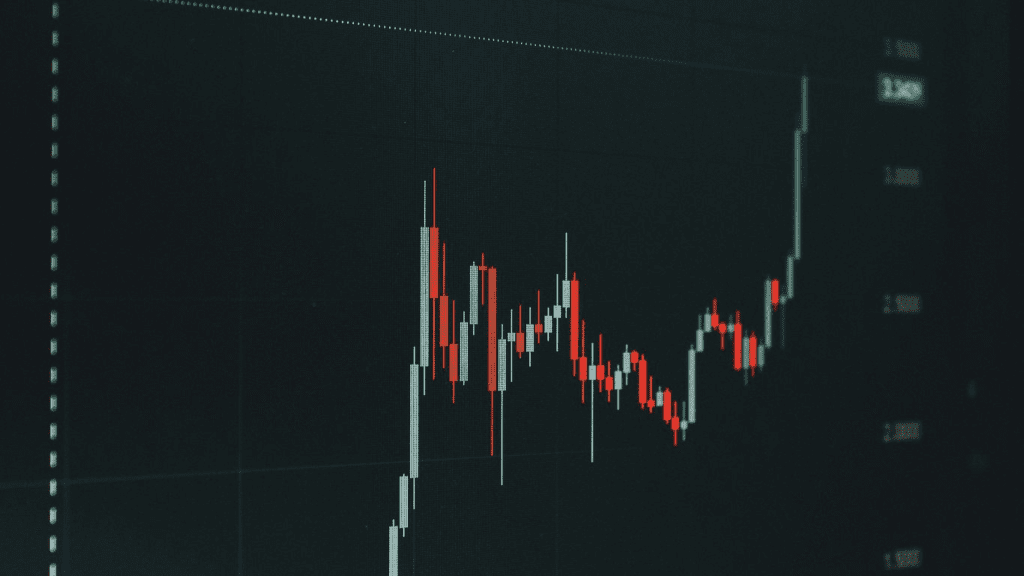
When you’re in the crypto market, it’s easy to get caught up in the excitement of potential gains. But it’s just as important to understand what can cause your investments to take a nosedive. Knowing these triggers can help you prepare and protect your portfolio.
Overleveraged Positions and Liquidation Cascades
One of the biggest dangers in crypto trading is using too much leverage. Leverage lets you trade with more money than you actually have, which can amplify your profits. However, it also amplifies your losses. If the market moves against you, even a little, you can quickly lose your entire investment. This is called liquidation.
When many traders are overleveraged, a small price drop can trigger a cascade of liquidations. As positions get liquidated, they force sell orders into the market, pushing prices down even further. This can create a domino effect, leading to massive sell-offs and significant losses for many investors. It’s like a chain reaction where one event causes many others.
Exchange Failures and Security Breaches
Another risk comes from the platforms where you trade and store your crypto. Exchanges can fail due to mismanagement, financial trouble, or even hacks. If an exchange goes down, you might lose access to your funds, or worse, lose them entirely. We’ve seen major exchanges collapse in the past, causing widespread panic and significant losses for users.
Security breaches are also a constant threat. Hackers are always looking for ways to steal digital assets. If an exchange you use is compromised, your crypto could be stolen. This is why it’s so important to be careful about where you keep your assets and to use strong security practices. Storing your crypto on a hardware wallet, for example, can offer better protection than leaving it on an exchange.
Market Manipulation and Whale Activity
The crypto market can sometimes be influenced by large players, often called “whales.” These are individuals or groups who hold a significant amount of a particular cryptocurrency. Because the crypto market is still relatively young and less regulated than traditional markets, these whales can sometimes manipulate prices.
They might do this by making large buy or sell orders to influence market sentiment or trigger liquidations for other traders. This kind of activity can create artificial volatility, making it difficult for regular investors to make sound decisions. Being aware of the potential for manipulation can help you stay cautious during periods of unusual market activity.
Strategies to Protect Your Portfolio

When the crypto market gets wild, you need a plan to keep your investments safe. It’s not about predicting the future, but about being ready for anything. Let’s look at some practical steps you can take.
Implement Stop-Loss Orders
Think of stop-loss orders as an automatic safety net for your trades. You set a price point, and if the market hits that level, your asset is automatically sold. This helps prevent big losses from turning into total wipeouts. It takes the emotion out of selling when prices are dropping fast.
- Static Stops: You set a fixed percentage or price below your purchase point. For example, if you buy a coin at $100, you might set a stop-loss at $80 (a 20% drop).
- Trailing Stops: These are a bit smarter. They move up with the price if your asset is gaining value, locking in profits. If the price then drops, the stop-loss stays at its highest point, protecting your gains.
It’s smart to set these based on your risk tolerance. A common approach is to set them 10-20% below your entry price, but this can vary.
Remember, stop-loss orders aren’t foolproof. In very fast markets, prices can sometimes drop past your stop-loss level before it executes, meaning you might get a worse price than expected. Still, they are a vital tool for managing risk.
Avoid Excessive Leverage
Leverage can make your profits bigger, but it can also make your losses much, much worse. In crypto, it’s easy to get tempted by high leverage (like 10x or even 100x), but this is a fast track to getting your position liquidated. This means you lose your entire investment in that trade.
- For beginners: It’s best to avoid leverage altogether. Stick to trading with the capital you have.
- For experienced traders: If you do use leverage, keep it very low, maybe 2x or 3x at most. Always combine it with a tight stop-loss order.
The main point here is that using too much leverage removes your control. You’re no longer in charge of when you sell; the market forces you out.
Diversify Your Holdings
Don’t put all your eggs in one basket. This is true for any investment, and it’s especially true in the volatile crypto space.
- Across different cryptocurrencies: Spread your investment across various types of crypto. This could include major coins like Bitcoin and Ethereum, promising altcoins, and even some stablecoins.
- Across different sectors: Think about different areas within crypto, like DeFi (decentralized finance), NFTs (non-fungible tokens), or layer-1 blockchains. Having exposure to different parts of the ecosystem can help.
- Outside of crypto: It’s also wise to have investments outside of crypto, like stocks, bonds, or real estate. This way, if the crypto market crashes, you still have other assets that might be stable or even growing.
A good rule of thumb is to keep your crypto investments to a smaller percentage of your overall wealth, maybe 5-10%, and then diversify within that crypto allocation.
Navigating Market Downturns
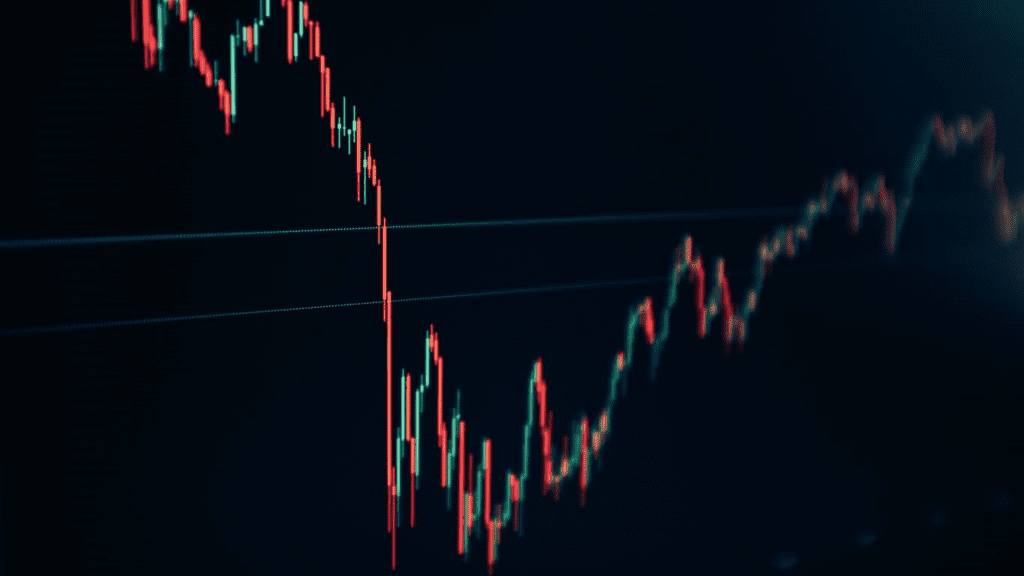
Market downturns can feel like a wild ride, and in crypto, they often are. When prices start dropping fast, it’s easy to let emotions take over. But staying calm and sticking to a plan is key to getting through these tough times without making costly mistakes.
Maintain Emotional Discipline
It’s human nature to panic when you see your portfolio value shrink. You might feel a strong urge to sell everything just to stop the bleeding. This is often driven by loss aversion, a psychological bias where the pain of losing is felt more strongly than the pleasure of gaining. Remember that crypto markets are known for their volatility. Prices can drop significantly, but they can also recover. Instead of reacting impulsively to every price dip, try to step back and assess the situation objectively.
- Focus on your long-term goals: Why did you invest in crypto in the first place? Remind yourself of your original investment thesis. If that thesis still holds, selling out of fear might mean missing out on a future recovery.
- Avoid checking prices constantly: This can amplify anxiety. Set specific times to review your portfolio, perhaps once a day or even less frequently during extreme volatility.
- Talk it out (with the right people): Discussing your concerns with trusted friends or a financial advisor can help you gain perspective. Just be sure to avoid communities that amplify FUD (Fear, Uncertainty, and Doubt).
During periods of intense market stress, your emotional state can be your biggest enemy. It’s vital to develop a mental framework that allows you to make rational decisions even when the market is behaving irrationally.
Secure Your Assets Properly
When markets get shaky, it’s also a good time to double-check that your crypto assets are as secure as possible. This isn’t just about protecting against price drops, but also against potential hacks or platform issues.
- Use hardware wallets for significant holdings: These devices keep your private keys offline, making them much harder for hackers to access. Think of it like keeping your most valuable possessions in a physical safe rather than just in your pocket.
- Enable Two-Factor Authentication (2FA) everywhere: On exchanges, email accounts, and any other platform where you store crypto-related information. This adds an extra layer of security.
- Be wary of scams: Downturns often bring out scammers. Be extra cautious of unsolicited offers, phishing attempts, or anyone promising guaranteed returns. Stick to official websites and communication channels.
Automate Entries and Exits
Setting up automated actions can help you stick to your strategy, especially when emotions are running high. This means pre-determining what you’ll do at certain price levels or market conditions.
- Stop-loss orders: As mentioned before, these automatically sell your assets if the price drops to a certain point, limiting potential losses. You can set these on most exchanges.
- Take-profit orders: Conversely, you can set orders to automatically sell a portion of your holdings if the price reaches a target you’ve set. This helps you lock in gains.
- Dollar-Cost Averaging (DCA) for buying: During a downturn, if you believe in the long-term potential of an asset, you might consider DCA. This involves investing a fixed amount of money at regular intervals, regardless of the price. This strategy can help you accumulate more assets at lower average costs over time. Historically, such downturns are followed by periods of stabilization rather than immediate rebounds, making DCA a sensible approach for accumulation understanding crypto liquidation triggers.
By combining emotional discipline, robust security practices, and automated trading strategies, you can better position yourself to weather crypto market storms and potentially even find opportunities within them.
Prepare for the Next Cycle
Crypto markets can be wild, and crashes are a part of that. You’ve learned about what causes them, how to protect your money with tools like stop-loss orders and avoiding too much leverage, and why staying calm is key. Remember, survival is the first step to making gains. By preparing now, setting clear rules, and keeping your emotions in check, you’ll be in a much better spot when the market eventually turns around. Don’t try to guess the bottom; focus on a solid plan. The next opportunity will come, and being ready is how you’ll be there to take it.

![Read more about the article “EXPOSED: BlackRock Crypto Takeover [No One’s Telling You]”](https://cryptonomicshub.com/wp-content/uploads/2026/05/ChatGPT-Image-May-17-2026-09_35_19-PM-1-300x169.png)