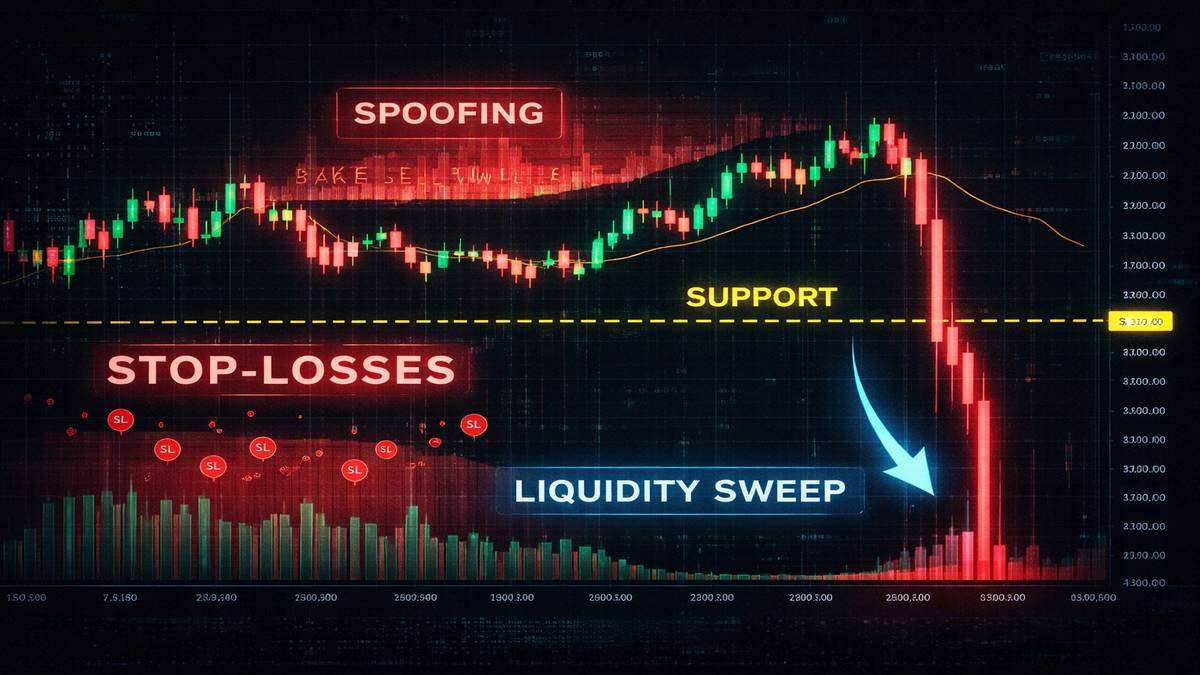
Hey there, crypto trader! So, you’re looking to get a handle on your trades and maybe not lose your shirt when the market goes wild? That’s smart. The crypto world can be a rollercoaster, and sometimes it feels like you’re just along for the ride. But what if you could have a bit more control? That’s where a Stop Loss Strategy comes in. It’s like having a safety net for your investments, helping you manage risk and keep your cool when things get choppy. Let’s break down how this works.
Key Takeaways
- A stop loss order is basically a pre-set instruction to sell your crypto if it drops to a certain price. It’s a way to automatically limit how much money you could lose on a trade, saving you from having to watch the charts 24/7 and making decisions under pressure.
- There are different ways to set up a stop loss, like a fixed price, or a trailing stop that moves with the price as it goes up. Choosing the right type and setting it at the right spot is key to making sure it actually helps you without selling you out too early.
- Using a stop loss strategy is super important for managing risk in crypto. It helps prevent big losses, keeps your emotions in check during wild price swings, and generally makes your trading more disciplined. It’s a tool that helps protect your capital.
Understanding the Stop Loss Strategy

What Is A Stop Loss Order?
A stop-loss order is basically a command you give your broker to sell a cryptocurrency if its price drops to a certain point. Think of it like an insurance policy for your investment. You set a specific price, and if the market hits that price, your crypto is automatically sold. This helps you avoid holding onto an asset that’s losing value rapidly.
It’s a tool designed to limit how much money you could potentially lose on a trade. It doesn’t guarantee you’ll get out at the exact price you set, especially in fast-moving markets, but it’s a solid way to put a cap on your downside.
The Crucial Role of Stop Loss in Risk Management
When you’re trading crypto, things can get wild. Prices can swing up and down pretty dramatically, and it’s easy to get caught in a situation where you lose more than you intended. This is where stop-loss orders become really important for managing your risk.
Here’s why they matter:
- Limits Potential Losses: This is the main point. You decide beforehand the maximum amount you’re willing to lose on a trade. If the price falls to your stop-loss level, the order triggers, and you sell. This prevents a small loss from turning into a huge one.
- Removes Emotion: Trading can be emotional. When prices are dropping, it’s hard to make rational decisions. A stop-loss order acts for you automatically, taking the emotion out of the selling decision.
- Helps Preserve Capital: By limiting your losses, you keep more of your trading capital intact. This means you have more money available to make future trades, rather than being wiped out by one bad move.
- Allows for Planning: Knowing you have a stop-loss in place lets you plan your trades better. You can focus on the potential upside without constantly worrying about the worst-case scenario.
Setting a stop-loss isn’t about predicting the future or guaranteeing profits. It’s about having a plan for when things don’t go your way. It’s a way to protect yourself in a market that can be unpredictable.
Implementing a Stop Loss Strategy
So, you understand what a stop-loss order is and why it’s important for managing risk. Now, let’s talk about how you actually put it into practice. It’s not just about setting a price and forgetting it; there’s some thought involved.
Types of Stop Loss Orders
When you’re ready to set a stop-loss, you’ve got a few main ways to go about it. Each has its own flavor, and what works best often depends on your trading style and the specific crypto you’re watching.
- Fixed Stop Loss: This is the most straightforward. You decide on a specific price, and that’s where your order sits. If the market hits that price, your crypto is sold. It’s simple and predictable.
- Trailing Stop Loss: This one’s a bit smarter. Instead of a fixed price, you set a percentage or dollar amount below the current market price. If the price goes up, your stop loss moves with it, locking in profits. If the price drops, the stop loss stays put. This is great for letting your winners run while still having protection.
- Stop-Limit Order: This is a two-part order. You set a stop price, which triggers the order, and then a limit price, which is the lowest price you’re willing to accept. Once the stop price is hit, it becomes a limit order. This gives you more control over the sale price, but there’s a risk it might not execute if the market moves too fast past your limit.
Strategic Placement and Adjustment of Stop Losses
Just picking a type of stop-loss isn’t the whole story. Where you place it and how you adjust it are just as important. Getting this right can make a big difference in protecting your capital.
Here are some common ways traders decide where to put their stop-loss:
- Percentage Method: A simple approach is to set your stop-loss a certain percentage below your entry price. For example, if you buy at $100, you might set a 10% stop-loss at $90. This is easy to apply across different assets.
- Support and Resistance Levels: Technical traders often look at historical price charts. Support levels are prices where buying interest has historically prevented further declines. Placing your stop-loss just below a known support level can be effective, as a break below that level might signal a trend change. Resistance levels work the opposite way for sell orders.
- Moving Averages: Some traders use moving averages (like the 50-day or 200-day moving average) as a guide. They might place their stop-loss just below a significant moving average line, especially if the price has been respecting that line.
Remember, the goal isn’t to avoid all losses, but to control them. Your stop-loss should be set based on your risk tolerance and the specific characteristics of the crypto asset you’re trading. Don’t just guess; do some research.
It’s also vital to remember that markets change. What looks like a good stop-loss level today might not be tomorrow. You need to be willing to adjust your stop-loss orders as market conditions evolve or as your trade progresses. For instance, if you’re using a trailing stop and the price moves favorably, you’ll want to move that stop up to protect your gains. Don’t just set it and forget it; keep an eye on your trades and be ready to adapt. This dynamic approach is key to effective risk management in the fast-paced world of crypto trading. You can find more information on setting up these orders on crypto exchanges.
Wrapping Up Your Stop Loss Strategy
So, you’ve learned about stop loss orders and why they’re pretty important for crypto trading. They’re not just some fancy tool; they’re really about protecting your money and keeping your cool when the market gets wild. Think of them as your safety net. By setting them up right, you can avoid losing more than you’re comfortable with and stop yourself from making rash decisions when prices are swinging. It takes a bit of practice to get the hang of placing them and knowing when to adjust them, but it’s a skill that can really make a difference in your trading journey.