Crypto can surge 20% in a single day — while stocks barely move 2%. Ever wondered Why Crypto Markets move so aggressively compared to traditional assets? From leverage and liquidity shocks to interest rate swings and pure investor psychology, the forces behind crypto volatility are far more intense than most beginners realize. One minute prices are soaring, the next they’re dropping fast. It makes you wonder, why are crypto markets so much more volatile than, say, the stock market? It’s not just random luck; there are some pretty big reasons behind it. Let’s break down why crypto markets move so much faster and why crypto markets are more volatile.
Key Takeaways
- Crypto markets are starting to act a lot like stock markets, especially tech stocks. This means they often move in the same direction as equities, influenced by the same big economic news.
- When interest rates go up, it generally makes riskier investments like crypto less attractive, causing prices to fall. The opposite happens when rates fall.
- Big players like institutional investors are now a major force in crypto. Their decisions, driven by overall market conditions, mean crypto is more tied to traditional finance than it used to be.
Crypto Markets Mirror Traditional Equities
The Fading Separation between Crypto and Stocks
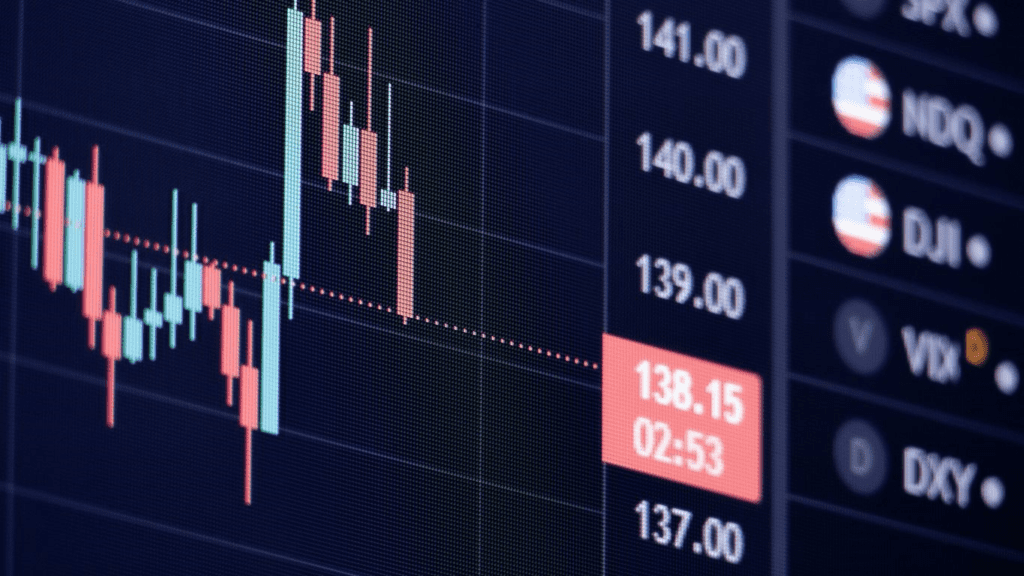
For a while, you might have thought of crypto as something completely separate from the stock market. Bitcoin was pitched as a way to get away from inflation, and Ethereum seemed like the start of a whole new digital world. It felt like these digital assets could do their own thing, unaffected by what happened on Wall Street. But that idea isn’t holding up as much anymore. Lately, crypto markets have been moving much more in sync with traditional stocks, especially tech and growth stocks. When the NASDAQ goes up, you’ll often see Bitcoin and other major cryptocurrencies follow suit. And when things get tough for stocks, like when bond yields rise, crypto tends to drop even more.
Institutional Investors Drive Market Correlation
This growing similarity between crypto and stocks isn’t just a coincidence. It has a lot to do with who is trading these assets now. In the past, it was mostly individual investors and events specific to the crypto world that moved prices. Today, big players like investment firms and hedge funds are a much bigger part of the picture. They now include crypto in their overall investment plans, just like they do with stocks and bonds. When money is flowing freely and investors are looking for growth, capital goes into both tech stocks and digital assets. When money gets tighter, these investors pull back from both. This change in who owns crypto means it’s reacting more to the same big economic news that affects stocks.
Macroeconomic Signals Influence Digital Assets
Because of this shift, crypto is now often seen as a high beta asset. This means it tends to move more dramatically than the overall market, both up and down. Think of it like this:
- When markets are optimistic and growing: Crypto can see outsized gains.
- When markets become fearful or decline: Crypto often experiences steeper losses.
This behavior is very similar to how certain growth stocks or tech stocks perform. The introduction of products like Bitcoin ETFs has also played a role. These allow institutions to get exposure to crypto using familiar investment tools, further integrating digital assets into standard portfolio management. As a result, decisions about rebalancing portfolios now affect crypto in much the same way they affect equities, strengthening the connection between the two.
Leverage Amplifies Price Movements
Operating Leverage in Mining Companies
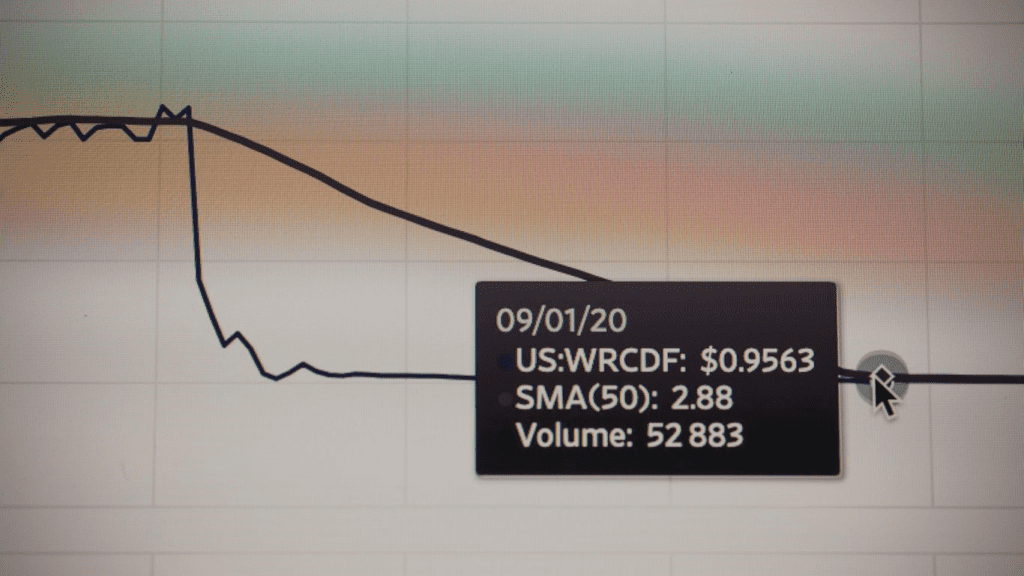
Think of crypto miners as businesses with fixed costs. They have to pay for electricity, equipment, and facilities regardless of the price of Bitcoin. Their revenue, however, directly tied to how much Bitcoin they mine and its current market price. When Bitcoin’s price goes up, their revenue jumps quickly, but their costs stay relatively the same. This mismatch means even a small increase in Bitcoin’s price can lead to a much larger swing in a mining company’s profits, and consequently, its stock price.
- Revenue Sensitivity: Directly tied to Bitcoin’s price.
- Cost Structure: Largely fixed in the short term.
- Profit Swing: Small BTC move leads to a disproportionately large profit change.
Balance Sheet Leverage in Treasury Firms
Companies that hold large amounts of Bitcoin on their balance sheets, like Micro Strategy, can behave like Bitcoin with a built-in financing engine. They often raise capital through debt or equity to buy even more Bitcoin. This creates a positive feedback loop: when Bitcoin’s price rises, their stock value increases, making it easier and cheaper for them to raise more money, which they then use to buy more Bitcoin. This cycle can significantly amplify price movements, both up and down.
Flow Leverage through New Investment Vehicles
These days, a lot of new money enters the crypto space not directly into digital wallets, but through more traditional channels like brokers, ETFs, and managed funds. The steady inflows into spot Bitcoin ETFs, for example, can act as both a psychological and mechanical support for the market. When these inflows are strong, they boost investor confidence, encouraging them to seek out more volatile crypto assets. Conversely, if ETF inflows slow down or turn negative, this can quickly unwind trades and cause crypto-related stocks to fall even faster than Bitcoin.
- ETF Inflows: Signal strong investor demand and confidence.
- Psychological Impact: Boosts overall market sentiment.
- Unwinding Trades: Negative flows can trigger rapid sell-offs.
Interest Rates Shape Digital Asset Valuations
Sensitivity to Rising Interest Rates
You might have noticed that when interest rates go up, crypto prices often take a hit. This isn’t a coincidence. Higher interest rates make safer investments, like government bonds, more attractive. This means the potential returns from riskier assets, including digital currencies, seem less appealing by comparison. Think of it like this: why take on more risk for a small gain when you can get a decent return with less risk elsewhere? This increased attractiveness of safer assets directly impacts how much people are willing to pay for speculative investments.
Impact of Falling Yields on Risk Assets
On the flip side, when interest rates fall and yields decrease, you often see a shift back towards riskier assets. Investors start looking for higher returns again, and capital tends to flow into areas like technology stocks and, you guessed it, digital assets. Crypto can respond with significant price increases during these periods, acting as a strong indicator of broader market sentiment and a willingness to take on more risk. This pattern reinforces crypto’s role as a high beta asset, meaning it tends to move more dramatically than the overall market. The introduction of products like Bitcoin ETFs has further integrated crypto into traditional portfolio strategies, meaning that when investors rebalance their portfolios, digital assets are considered alongside stocks and bonds, strengthening this correlation ETFs for Bitcoin.
Investor Behavior and Sentiment
You might think crypto markets are all about complex algorithms and groundbreaking technology, but a big part of what makes them move so fast comes down to something much more human: investor behavior and sentiment. It’s not just about the code; it’s about how people feel and react.
Sentiment Leverage and Momentum Chasing
When crypto prices start climbing, it can create a powerful feedback loop. People see prices going up, and they want to get in on the action, fearing they’ll miss out on potential gains. This is often called momentum chasing. It’s like a snowball rolling downhill – it picks up speed and size. This rush to buy can push prices even higher, faster than the underlying value might suggest. On the flip side, when prices start to fall, fear can take over. Investors might panic sell to avoid bigger losses, which can cause prices to drop just as quickly, sometimes even faster than they rose.
The Role of Retail vs. Institutional Investors
For a long time, crypto was seen as a playground for individual investors, often referred to as retail investors. They were the ones driving a lot of the early price action. However, things have changed. Now, large institutions like hedge funds and asset managers are also active in the crypto space. Their involvement can amplify price movements. When institutions decide to buy, they often do so in large volumes, which can significantly impact prices. Conversely, if they decide to sell, the effect can be just as pronounced.
Understanding Investor Risk Appetite
How much risk are investors willing to take on? This question is central to understanding market movements. In times when investors feel confident about the economy and their own financial situation, they tend to be more willing to invest in riskier assets, like many cryptocurrencies. This increased risk appetite can drive prices up. However, when economic uncertainty rises, or interest rates go up, investors often become more cautious. They might pull back from riskier investments and move towards safer options.
Here’s a look at how risk appetite can influence investment choices:
- High Risk Appetite: Investors are more likely to invest in volatile assets like cryptocurrencies, seeking higher potential returns. This can lead to increased demand and price appreciation.
- Moderate Risk Appetite: Investors might allocate a portion of their portfolio to crypto but balance it with more traditional or stable assets.
- Low Risk Appetite: Investors tend to avoid speculative assets, focusing on capital preservation through investments like bonds or cash, which can lead to decreased demand for crypto.
Factors Contributing to Volatility
You’ve probably noticed that crypto prices can jump around a lot more than, say, stocks. There are several reasons for this, and understanding them is key if you’re thinking about putting your money into digital assets.
Economic Performance and Risk Tolerance
Think about how the overall economy is doing. When things are good and people feel confident, they’re usually more willing to take on risk. This means they might buy more volatile assets like cryptocurrencies. But when the economy looks shaky, people tend to pull back and stick to safer investments. This shift in risk appetite directly impacts crypto prices.
Regulatory Actions and Uncertainty
Governments and financial watchdogs around the world are still figuring out how to handle cryptocurrencies. News about potential new rules, bans, or even just uncertainty about future regulations can cause prices to swing wildly. A single announcement from a major country can send ripples through the entire market. It’s like waiting for a verdict – the anticipation and the outcome both create big price movements.
Global Events and Market Sentiment
Just like any other market, crypto is influenced by what’s happening globally. Major political events, technological breakthroughs (or setbacks), and even widespread social media trends can affect how people feel about digital assets. This sentiment can spread quickly, especially in the crypto space, leading to rapid price changes. It’s a bit like a chain reaction; one piece of news or a strong opinion can influence many investors at once.
Here’s a look at how different factors can play a role:
- Supply and Demand: Like any asset, if more people want to buy a crypto than sell it, the price goes up. The limited supply of some cryptocurrencies, like Bitcoin’s 21 million coin cap, can also make prices more sensitive to demand changes.
- Investor Behavior: Fear of missing out (FOMO) or panic selling can amplify price swings. Large investors, sometimes called “whales,” can also move the market significantly with their trades.
- Media and Hype: Positive or negative media coverage, or even just a trending topic online, can quickly influence investor decisions and cause short-term price fluctuations.
Wrapping Up: What This Means for You
So, you’ve seen how crypto markets can move much faster than stocks. It’s not just about Bitcoin doing its own thing anymore. Things like interest rates, what the Fed is doing, and even just general market mood now play a big part, just like with stocks. This means crypto is acting more like a high-risk bet that swings big when the market is feeling good, and drops hard when it’s not. Understanding this connection is key. It’s not about fearing the fast moves, but about knowing how to handle them so you don’t make rash decisions when things get wild.