Building a profitable Crypto Portfolio in 2026 isn’t about luck — it’s about strategy, structure, and disciplined risk management. In this guide, you’ll discover a powerful 7-step framework to create a resilient, diversified Crypto Portfolio built to survive crashes and capture upside.
It’s easy to get caught up in the hype, but building real wealth in digital assets requires a solid plan. Forget chasing quick gains; we’re focusing on smart allocation and managing risk so you can build a portfolio that lasts.
Before deciding your allocation mix, read our detailed guide on Crypto Positions: Build Wealth… Not Wipe-outs to understand smart sizing rules and risk caps that protect your capital.
Key Takeaways
- Define your investment goals clearly before putting money into any crypto. Knowing if you’re aiming for long-term growth or something else shapes how you build your portfolio.
- Start your portfolio with the big players like Bitcoin and Ethereum. They usually form the stable base for your crypto investments.
- Regularly check and adjust your portfolio (rebalance) to keep it in line with your goals and manage risk, especially if some assets grow much faster than others.
Building a Resilient Crypto Portfolio Strategy

Establishing Clear Investment Objectives
Before you put any money into crypto, you need to know why you’re doing it. Are you looking to grow your money over many years, or are you hoping for quicker gains? Your goals will really shape how you build your portfolio. Crypto can be a bumpy ride, with prices going up and down a lot. It’s important to figure out if you can handle that kind of ups and downs and how much risk you’re comfortable taking on. Think about it like this:
- Long-term growth: You’re okay with holding for years, expecting the value to increase significantly over time.
- Moderate growth with some risk: You want growth but are cautious about big price drops.
- High risk, high reward: You’re willing to take on substantial risk for the chance of very high returns.
Knowing your objective helps you decide how much of your total investment money should even go into crypto. It stops you from making rash decisions when the market gets wild. Remember, past performance doesn’t mean future results will be the same. It’s smart to manage your risk from the start. If things feel overwhelming, talking to a financial advisor can help, especially when markets get shaky.
Constructing a Diversified Asset Allocation
Once you know your goals, it’s time to build your portfolio. A good starting point for most people is to focus on the biggest and most established cryptocurrencies. Think of Bitcoin (BTC) and Ethereum (ETH) as the foundation of your crypto holdings. Bitcoin is often seen as a digital store of value, similar to digital gold. It’s widely traded and generally less volatile than smaller coins, making it a good anchor for your portfolio. Ethereum is the second-largest and powers a huge amount of the decentralized applications and services in the crypto world.
Here’s a basic idea of how you might start allocating your crypto assets:
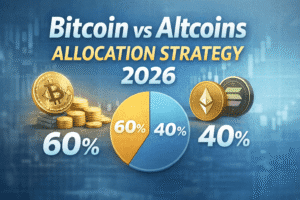
- Bitcoin (BTC): Typically makes up the largest portion, maybe 40-60% of your crypto portfolio. It’s the most stable option in the crypto space.
- Ethereum (ETH): Usually the next biggest slice, perhaps 20-30%. It offers exposure to the growing world of decentralized finance (DeFi) and smart contracts.
- Other Cryptocurrencies (Altcoins): The remaining percentage can be allocated to other promising projects. This is where you take on more risk for potentially higher rewards, but keep these smaller to manage overall volatility.
Diversification means not putting all your eggs in one basket. In crypto, this means spreading your investment across different types of digital assets. It helps reduce the impact if one particular coin or token performs poorly. It’s about building a balanced portfolio that can withstand market swings better than a concentrated one.
Advanced Portfolio Strategy Techniques

Now that you have a solid foundation, let’s look at some more advanced ways to manage your crypto assets in 2026. This is where you move beyond just buying and holding and start actively participating in the decentralized web’s innovations. It requires a bit more effort, but the potential rewards can be significant.
Leveraging Decentralized Finance Opportunities
Decentralized Finance, or DeFi, offers ways to earn yield on your crypto holdings beyond simple price appreciation. Think about liquidity pools and liquid staking. These can provide income, but you need to be aware of the risks. Smart contract bugs can happen, and you should be cautious about platforms that promise guaranteed returns. Always do your homework on any DeFi protocol before putting your funds in. Protecting your digital assets is key, much like safeguarding a treasury reserve. Strong security practices are a core part of managing risk in this space.
Understanding Tokenomics for Strategic Investment
Tokenomics is basically the economic design of a cryptocurrency. It looks at how a token is created, distributed, and used within its specific ecosystem. Understanding this is vital for making smart investment choices. You want to see tokens that are designed to capture value over time and encourage long-term participation in the network. Projects with well-thought-out tokenomics are often more sustainable. This focus on the underlying economic structure is what separates institutional approaches from retail speculation. When you look at a project, ask yourself: Does the tokenomics model make sense? Does it align with the project’s goals? Does it incentivize the right behaviors? For instance, Ethereum’s utility as a gas token and its role in staking are key aspects of its tokenomics that contribute to its value. You can explore different DeFi protocols to see these models in action.
Here’s a quick look at what to consider:
- Utility: What is the token used for within its network?
- Supply: Is the supply fixed, inflationary, or deflationary? How does this impact value?
- Distribution: How were tokens initially distributed? Is it concentrated or spread out?
- Incentives: Does the tokenomics encourage holding, staking, or active participation?
By digging into these details, you can make more informed decisions about where to allocate your capital, moving beyond just the hype and focusing on the project’s long-term viability.
Your Crypto Journey Ahead
You’ve now seen a practical 7-step system to build a crypto portfolio for 2026. Remember, this market is always moving. What works today might need a tweak tomorrow. The key is to stick to your plan, manage your risks, and keep learning. Don’t chase quick gains or panic during dips. Focus on your allocation, diversify wisely, and rebalance regularly. By following these steps, you’re setting yourself up for a more structured and potentially rewarding crypto future. It’s about building wealth steadily, not overnight.