You’ve probably heard the term ‘Market Makers’ thrown around in the crypto world, but what exactly do they do? Think of them as the folks who keep the trading going smoothly. Without them, buying or selling certain digital coins could feel like trying to find a needle in a haystack. This article breaks down what Market Makers are, how they work in crypto, and why they’re important for the whole market.
Key Takeaways
- Market Makers are entities that provide liquidity by constantly buying and selling crypto assets, making it easier for others to trade.
- They make money from the small difference between their buying and selling prices, called the spread, on large volumes of trades.
- Market Makers are essential for market stability and function, but they don’t typically hold cryptocurrencies long-term or manipulate prices.
Understanding Crypto Market Makers
When you hear about crypto market makers, think of them as the folks who keep the digital asset markets running smoothly. They’re not just random traders; they’re professionals or companies whose main job is to make sure there are always buyers and sellers available for a particular cryptocurrency. This constant activity helps prevent wild price swings and makes it easier for everyone else to trade.
What Are Crypto Market Makers?
At their core, crypto market makers are entities that continuously place buy and sell orders for specific digital assets on exchanges. They essentially stand ready to trade, acting as a counterparty for other market participants. Imagine a new token, let’s call it ‘XYZ Coin,’ just hitting the market. Without market makers, it might be tough for early buyers and sellers to find each other. A market maker steps in, offering to buy XYZ Coin from someone who wants to sell and simultaneously offering to sell it to someone who wants to buy. This constant presence bridges the gap between buyers and sellers, making it easier for trades to happen. They help tighten the spread, which is the difference between the highest price a buyer is willing to pay and the lowest price a seller is willing to accept. This service is vital for market making in cryptocurrency.
How Market Makers Operate
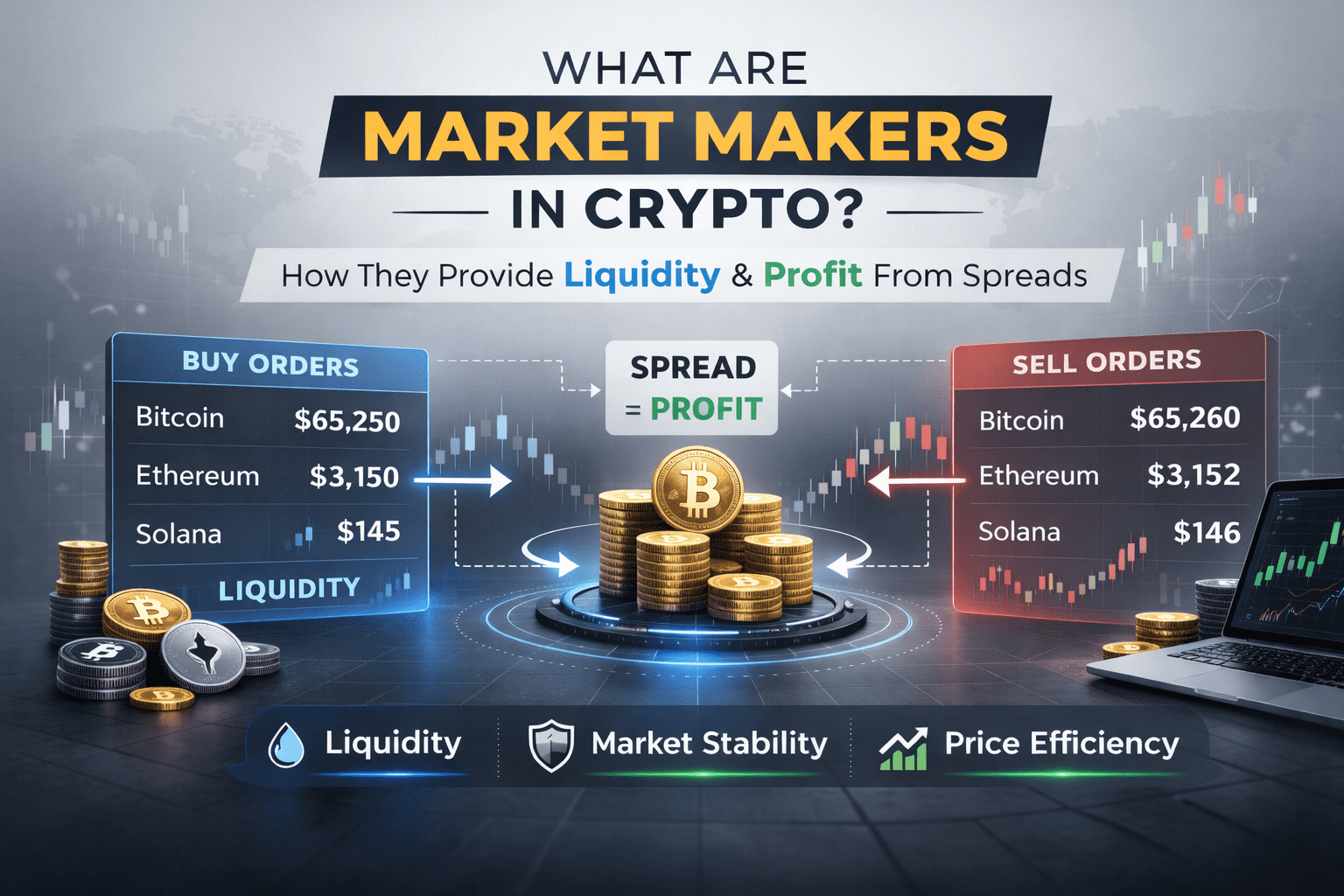
Market makers operate by maintaining a book of both buy (bid) and sell (ask) orders for a given cryptocurrency. They aim to profit from the difference between these prices, known as the spread. For instance, if a market maker offers to buy a crypto at $10.00 and sell it at $10.02, they make $0.02 on every unit traded, assuming the price stays stable. While this profit per trade might seem small, market makers often handle enormous volumes, turning these tiny profits into significant earnings over time. They use sophisticated algorithms and technology to manage their positions and react quickly to market changes. This requires them to be constantly active, ready to adjust their prices based on supply, demand, and overall market sentiment. Their operations are key to providing liquidity, which is the ease with which an asset can be bought or without affecting its price.
- Continuous Quoting: They always have buy and sell orders active.
- Spread Capture: They profit from the difference between buy and sell prices.
- Risk Management: They actively manage their inventory to avoid large losses from price volatility.
Market makers are essential for a healthy crypto market. They ensure that there’s always someone willing to take the other side of a trade, which reduces uncertainty for regular investors and traders. Without them, markets could become very thin, making it hard to buy or sell without significantly impacting the price.
The Role of Market Makers in Crypto

Providing Liquidity
Market makers are the backbone of a functioning crypto market. Think of them as the folks who are always ready to buy or sell. When you want to trade a cryptocurrency, you need someone on the other side of that trade, right? Market makers fill that role. They constantly place buy and sell orders, which means there’s almost always a buyer for someone looking to sell, and a seller for someone looking to buy. This constant activity is what we call liquidity.
Without market makers, trading could be really tough. Imagine trying to sell a less common token – you might have to wait a long time for a buyer, or you might have to accept a much lower price than you wanted. Market makers make it easier for everyone to get in and out of trades quickly and at fair prices. They help keep the market moving.
Here’s a simple way to look at it:
- For Buyers: They can buy crypto without having to search for a seller, as market makers are ready to sell.
- For Sellers: They can sell crypto without having to search for a buyer, as market makers are ready to buy.
- For the Market: This constant readiness reduces big price swings and makes trading smoother.
The presence of market makers means that even when there aren’t many regular buyers or sellers around, trading can still happen. This is super important for new tokens trying to get established.
Ensuring Market Functionality
Beyond just providing liquidity, market makers play a big part in keeping the whole crypto ecosystem running smoothly. They help make sure that prices are generally in line with what the market expects, by narrowing the gap between the highest price someone is willing to pay (the bid) and the lowest price someone is willing to sell for (the ask). This difference is called the spread.
Market makers try to keep this spread small. When the spread is tight, it costs traders less to make a trade. This encourages more trading activity, which in turn makes the market more robust and reliable. It’s like keeping the gears of a machine well-oiled so it runs without a hitch.
- Price Discovery: By constantly trading, they help the market figure out the fair value of an asset.
- Reduced Volatility: Their presence can smooth out extreme price jumps that might happen if trades were scarce.
- Accessibility: They make it easier for new investors to enter the market and for existing ones to exit when they choose.
Essentially, market makers are the facilitators that allow the crypto market to operate efficiently, making it a more attractive and stable place for everyone involved.
Market Maker Strategies and Profitability

How Market Makers Make Money
The primary way market makers earn is through the bid-ask spread. Think of it like this: they’re always ready to buy a crypto at one price (the bid) and sell it at a slightly higher price (the ask). The difference between these two prices is their profit margin on each trade. It might seem small, like just a few cents, but when you’re dealing with millions of dollars’ worth of trades every day, those small differences add up really fast.
For example, imagine a crypto is trading. A market maker might offer to buy it for $10.00 (the bid) and sell it for $10.02 (the ask). If someone buys from them at $10.02, they pocket that $0.02. If someone sells to them at $10.00, they’re ready to sell it later for $10.02. They’re essentially profiting from the constant flow of buyers and sellers.
They also get compensated for the risk they take. By always being ready to buy or sell, they hold onto assets that could potentially lose value. This commitment to being available is a service, and the spread helps cover that risk.
Market Makers Do Not Hold Cryptocurrencies
This is a common point of confusion, but it’s important to get straight: market makers don’t typically hoard large amounts of crypto for the long haul. Their goal isn’t to bet on a specific coin going to the moon. Instead, they act as intermediaries, facilitating trades between buyers and sellers. They might hold a crypto for a very short period between buying it from a seller and selling it to a buyer, but they aim to minimize that holding time to reduce risk. Their business model relies on high-volume, low-margin transactions, not on long-term investment in specific digital assets.
Wrapping Up: The Role of Market Makers in Crypto
So, that’s the lowdown on crypto market makers. Basically, they’re the folks who keep the crypto markets running smoothly by always being ready to buy or sell. They make it easier for everyone to trade, helping to keep prices from jumping around too much. While they make a little bit of money on each trade, they’re not really in a position to control prices, especially for the big, popular coins. Think of them as the helpful shopkeepers of the crypto world, ensuring there’s always something available for buyers and sellers.