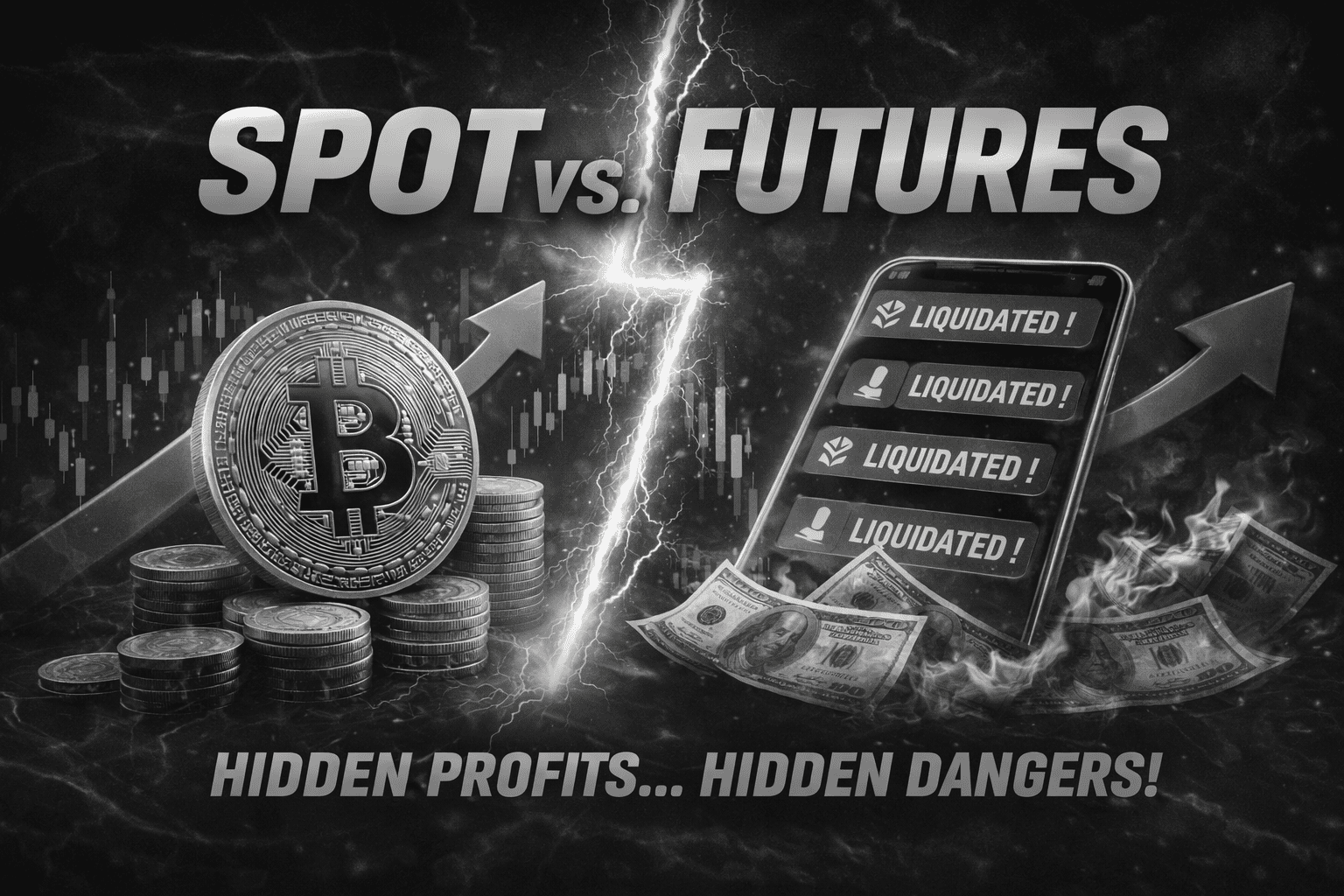
Spot vs. Futures isn’t just a trading choice — it’s a risk decision that can define your entire crypto journey. Understand the hidden profit potential and the silent dangers before your next trade costs you more than you expect.
When you’re looking at trading, you’ll run into two main ways to do it: spot and futures. They might sound similar, but they’re actually pretty different. Think of it like buying something right now versus agreeing to buy it later. Each method has its own pros and cons, and knowing the difference between spot vs futures trading can really help you figure out what works best for your money goals. We’ll break down what each one is and how they shake out.
Key Takeaways
- Spot trading means buying or selling an asset right now at the current price, and you own it pretty much immediately. It’s simpler and often seen as less risky for beginners.
- Futures trading involves contracts to buy or sell an asset at a set price on a future date. You don’t own the asset right away, and it often uses leverage, which can boost profits but also losses.
- Choosing between spot vs futures depends on your comfort with risk, how much capital you have, and your trading style. Spot is good for quick, direct trades, while futures can be used for speculation or protecting against price changes over time.
Understanding Spot vs Futures Trading
When you’re looking at trading different assets, you’ll run into two main ways things get done: spot trading and futures trading. They might sound similar, but they work in pretty different ways, and knowing the difference is key to figuring out which one fits your plan.
What Is Spot Trading?
Spot trading is basically buying or selling an asset right now, at the price it’s going for at this very moment. Think of it like walking into a store and buying something off the shelf. You pay the price listed, and you walk out with the item. In the trading world, this means the transaction happens almost immediately, and you get ownership of the asset, or it gets delivered to you, usually within a day or two. The price you get is the current market price, which changes all the time based on how much people want to buy versus how much is available.
- Immediate Ownership: You own the asset right away.
- Current Market Price: You trade at whatever the price is at that second.
- Simple Transactions: It’s pretty straightforward, no complicated contracts involved.
What Is Futures Trading?
Futures trading is a bit different. Instead of buying or selling something right now, you’re agreeing to buy or sell an asset at a set price on a specific date in the future. It’s like making a deal today for something you’ll get or pay for next month. These are done using contracts, which are basically agreements between two parties.
- Future Delivery: The actual exchange of the asset happens later.
- Predetermined Price: You lock in a price today for that future transaction.
- Contractual Agreement: You’re trading based on a contract, not the immediate asset.
People use futures for a couple of main reasons. Some want to bet on whether the price of an asset will go up or down in the future. Others, like farmers or businesses, use them to protect themselves from price swings. For example, a farmer might sell a futures contract for their crops to guarantee a certain price, even if market prices drop later. Futures trading often involves leverage, meaning you can control a larger amount of an asset with less money upfront, but this also means your potential losses can be bigger too.
Key Differences between Spot and Futures
Spot trading and futures trading often get lumped together, but the methods and results can be pretty different once you actually use them. Let’s look at the main factors that set them apart.
Ownership and Settlement
- In spot trading, you instantly become the owner of the asset the moment you buy it. Settlement is quick—sometimes within minutes or within a day—and the asset is yours to hold or sell whenever you want.
- Futures trading, on the other hand, is built on contracts. You’re agreeing to buy or sell at a later date, and ownership of the actual asset doesn’t change hands immediately. What you own is a contract—its value changes until the settlement or expiration date.
- This delay and reliance on contracts mean futures have unique settlement procedures, and you might never take possession of the real asset.
Pricing Dynamics and Risk Profiles
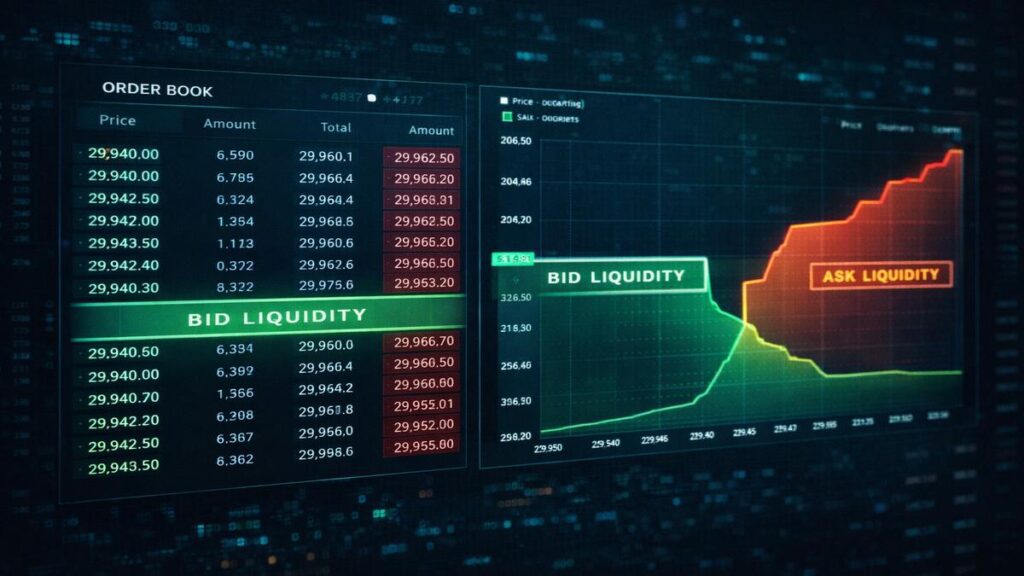
- Spot prices reflect current market supply and demand. They’re visible and update in real time—what you see is what you get when you hit “buy” or “sell.”
- Futures prices are a bit trickier. They take the current spot price, but also factor in forecasts: storage fees, interest rates, and what everyone expects the value to be by the contract’s end. This often means the futures price drifts from the spot price.
- Spot trading risk is all about the asset’s present price moves—if it drops fast, your value drops, too. There’s no leverage here, so your risk is limited to the money you’ve put in.
- With futures, leverage is commonly used. This means a small up-front commitment controls a much larger asset value. When things go your way, the gains are bigger—but if things go against you, losses add up super-fast. Futures traders might also have to deal with margin calls if the trade turns sour.
- The built-in leverage and the need to settle or roll over contracts before expiry introduces more risk—you don’t just have to be right about the direction but also about the timing.
Key distinctions:
- Spot trading feels direct, offering transparency and fewer surprises post-purchase.
- Futures contracts allow speculation without owning the asset, but you need to watch for risks around expiration and leverage. The expiration dates and marking-to-market requirements make futures stand apart from spot and even some other investing options.
To sum it up, spot trading works well for folks who want quick movement and ownership, while futures trading is more contract-based, offering potential rewards with extra layers of planning and risk. Always check your comfort with leverage and timing before diving into either method.
Choosing the Right Approach
Deciding between spot and futures trading really boils down to what you’re trying to achieve with your investments and how much risk you’re comfortable taking on. They’re not interchangeable, and picking the wrong one can lead to some unexpected outcomes.
When to Consider Spot Trading
Spot trading is pretty straightforward. You buy an asset, and you own it right away at the current market price. Think of it like going to the grocery store and buying an apple – you pay the price, and you walk out with the apple in your hand. This is great if you want direct ownership and plan to hold the asset for a while, maybe hoping its value goes up over time. It’s also a good starting point for new traders because it’s generally less complicated than futures.
- You want to own the actual asset. This is the biggest draw of spot trading. You’re not just betting on price movement; you’re buying into the asset itself.
- You’re looking for simplicity. No complex contracts, no expiration dates to worry about. Just buy, hold, or sell.
- You’re investing for the long term. Spot trading aligns well with buy-and-hold strategies where you believe an asset’s value will grow significantly over months or years.
- You want to avoid the complexities of leverage. While some platforms might offer margin for spot trading, the core concept is direct ownership without the amplified risks that come with futures.
Spot markets are where assets trade hands for immediate delivery. The price you see is the price you pay, and you own the asset right then and there. It’s a direct transaction reflecting the asset’s current worth.
When to Consider Futures Trading
Futures trading is a bit more advanced. You’re not buying the asset itself, but rather a contract to buy or sell it at a specific price on a future date. This opens up different possibilities, like hedging against price changes or speculating on price movements without needing to own the underlying asset. However, it comes with higher risks, especially due to leverage.
- You want to hedge against price volatility. Businesses often use futures to lock in prices for things like oil or currency, protecting themselves from unexpected market swings. This is a key use case for hedging strategies.
- You want to speculate on price movements. Futures allow you to bet on whether an asset’s price will go up or down without actually owning it. This can be done with a smaller amount of capital thanks to leverage, but it also means you can lose more than you initially invested.
- You are an experienced trader. Futures markets require a solid understanding of margin calls, contract expirations, and risk management. It’s not typically recommended for beginners.
- You need flexibility in trading. Futures contracts can be used to go long (betting prices will rise) or short (betting prices will fall), offering more ways to potentially profit from market movements.
Futures trading involves contracts, and these contracts have expiration dates. When a contract expires, it’s settled, either by physical delivery of the asset or, more commonly, by a cash payment based on the price difference. This means you need to be aware of these dates and manage your positions accordingly. The use of leverage in futures trading can magnify both profits and losses, making it a high-stakes game that requires careful attention to risk management. For those looking to trade assets like cryptocurrencies without direct ownership or Blockchain interaction, crypto futures can be an option, though they demand active monitoring and a high tolerance for volatility.
Wrapping It Up: Spot vs. Futures
So, we’ve looked at spot and futures trading. Spot is pretty straightforward – you buy or sell now, at today’s price, and you own the thing right away. It’s good if you’re just starting out or want to keep things simple. Futures, on the other hand, are about contracts for buying or selling later. They can be useful for betting on price changes or protecting yourself from big swings, but they come with more risk and need a bit more know-how. Your choice really comes down to what you’re trying to do with your money, how much risk you’re okay with, and how much you already know about trading. Neither is really ‘better’ than the other; they’re just different tools for different jobs.


![Read more about the article “EXPOSED: BlackRock Crypto Takeover [No One’s Telling You]”](https://cryptonomicshub.com/wp-content/uploads/2026/05/ChatGPT-Image-May-17-2026-09_35_19-PM-1-300x169.png)