
Most beginners focus on profits but ignore the rules that actually protect their money.
Crypto risk management is the difference between surviving market crashes and watching your portfolio collapse overnight. If you want long-term gains, mastering crypto risk management isn’t optional — it’s essential. Jumping into crypto trading can feel exciting, but it’s easy to overlook some basic safety steps. Many beginners dive in without a solid plan, thinking quick profits are just around the corner. This often leads to bumpy rides and unexpected losses. We’re going to talk about some simple but often ignored rules for Crypto Risk Management that can make a big difference in your trading journey.
Key Takeaways
- Always have a trading plan before you start. This means knowing how much you’re willing to risk on any single trade and having clear goals for when to buy and sell. Without this, you’re just guessing.
- Don’t put all your eggs in one basket. Spread your investments across different digital assets to reduce the impact if one performs poorly. Also, use tools like stop-loss orders to automatically sell if a trade goes against you, limiting how much you can lose.
- Keep your emotions in check and do your homework. Avoid making decisions based on hype or fear. Spend time researching projects to understand what you’re investing in, rather than just following the crowd.
Understanding Crypto Risk Management Fundamentals
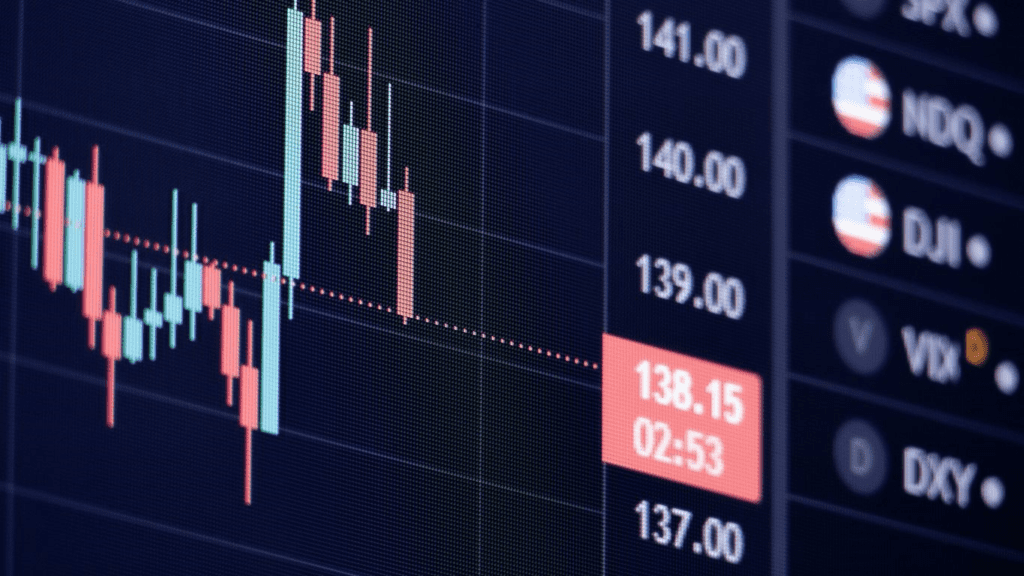
When you first get into crypto, it’s easy to get caught up in the excitement. Prices can move fast, and the potential for quick gains can be really tempting. But here’s the thing: without a solid plan for managing risk, that excitement can turn into a big headache. Treating crypto like a casino is a fast track to losing money. You need to approach it with a clear head and some basic strategies.
The Importance of a Trading Plan
Think of a trading plan as your roadmap. Without one, you’re just wandering around hoping to stumble upon something good, which usually doesn’t work out. Your plan should cover a few key areas:
- Your Goals: What are you trying to achieve? Are you looking for short-term profits or long-term growth?
- Your Risk Tolerance: How much are you willing to lose on any single trade or overall? This is super important.
- Entry and Exit Points: When will you buy a specific coin, and more importantly, when will you sell it, whether it’s to take profits or cut losses?
- Position Sizing: How much of your total capital will you allocate to each trade? A common rule is to risk only a small percentage, like 1-2%, of your portfolio on any one trade. This helps prevent a few bad trades from wiping you out.
Setting Realistic Expectations
This is where a lot of beginners trip up. The crypto market is known for its extreme volatility. While this can lead to rapid gains, it also means prices can drop just as quickly. You might see stories online about people making fortunes overnight, but those are often the exceptions, not the rule. It’s important to understand that consistent, steady growth is more achievable than hitting a home run every time.
Here are a few things to keep in mind:
- Don’t expect to get rich quick: Building wealth in any market takes time and patience.
- Understand that losses are part of the game: Even the best traders have losing trades. The key is to manage those losses so they don’t derail your entire portfolio. You can learn more about cryptocurrency risk management steps.
- Avoid comparing yourself to others: Everyone’s financial situation and risk tolerance are different. Focus on your own journey and strategy.
Setting realistic expectations helps you stay grounded and make better decisions, rather than chasing unrealistic dreams that can lead to significant financial harm.
Implementing Key Crypto Risk Management Strategies

When you’re in the crypto market, things can move fast. It’s easy to get caught up in the excitement or the panic, but having a solid plan for managing your risk is super important. Let’s look at a couple of ways you can do this.
Diversifying Your Digital Asset Portfolio
Think of it like this: you wouldn’t put all your eggs in one basket, right? The same idea applies to crypto. Spreading your money across different digital assets can help protect you if one of them takes a big hit. It’s not just about owning a bunch of different coins, though. You can diversify in a few ways:
- By Market Cap: You might put more money into well-established coins like Bitcoin or Ethereum, which are generally seen as less risky. Then, you could allocate a smaller portion to mid-sized coins that have good potential, and an even smaller amount to brand-new, high-risk coins that could either skyrocket or crash.
- By Blockchain: Holding tokens from only one Blockchain (like Ethereum) means you’re tied to that ecosystem. If something goes wrong there, your whole investment could be affected. Spreading your holdings across different block chains, such as Solana or Avalanche, can offer a safety net.
- By Utility: Coins have different purposes. Some are for payments, others for smart contracts, and some act as governance tokens. Mixing these different types can help you avoid being too dependent on one trend.
Utilizing Stop-Loss and Take-Profit Tools
These are like built-in safety nets for your trades. They help you control potential losses and lock in gains automatically.
- Stop-Loss Orders: You set a price below your purchase point. If the market drops to that level, your crypto is automatically sold, limiting how much you can lose on that trade. For example, you might set a stop-loss 10% below where you bought in.
- Take-Profit Orders: This is the opposite. You set a price above your purchase point. When the market hits that target, your crypto is sold, securing your profits. You can even set multiple take-profit levels to sell off portions of your holdings as the price rises, which is called scaling out.
It’s important to remember that crypto is super volatile. Sometimes, prices can swing more than your stop-loss is set for in a single day. So, while these tools are helpful, they aren’t foolproof. You still need to be aware of what the market is doing.
Avoiding Common Pitfalls in Crypto Trading

When you’re new to crypto, it’s easy to stumble into some common traps. These aren’t necessarily signs you’re bad at trading, but more like speed bumps on the road. Understanding them can save you a lot of headaches and, more importantly, your money.
The Dangers of Emotional Trading
Look, nobody likes losing money. And when you see your portfolio drop, that gut feeling of panic can be intense. It’s tempting to hit that sell button right away, just to make the feeling stop. This is often called ‘panic selling’. On the flip side, when you see prices soaring, that feeling of ‘FOMO’ – fear of missing out – can make you jump in without thinking, often at the peak. These emotional reactions are some of the biggest enemies of a successful crypto trader.
It’s like being on a rollercoaster you can’t get off. You need a way to stay grounded.
- Fear: This drives you to sell assets quickly, often at a loss, just to avoid further potential drops.
- Greed: This pushes you to hold onto assets for too long, hoping for even bigger gains, or to buy into a rising asset at an inflated price.
- Impatience: Wanting quick profits can lead to making rash decisions or overtrading.
The Value of thorough Research
It’s tempting to just jump on a coin that everyone’s talking about on social media or that a friend recommended. You might hear about a ‘guaranteed’ moonshot. But here’s the thing: that kind of advice is often based on hype, not solid facts. Skipping your own research is like building a house on sand.
Before you put any money into a cryptocurrency, you should know what it is. What problem does it solve? Who is the team behind it? How does it compare to similar projects? Is the technology sound? These aren’t just buzzwords; they’re the building blocks of understanding an asset’s potential.
Here’s a quick checklist for your research:
- Read the Whitepaper: This is the project’s foundational document. It should explain the technology, goals, and tokenomics.
- Examine the Team: Look into the developers and advisors. Do they have a track record?
- Analyze the Use Case: Does the crypto offer a real solution or service? Is there demand for it?
- Check the Community and Development Activity: Is the project actively being worked on? Is there a healthy community around it?
- Understand Market Cap and Circulating Supply: These metrics help you gauge the size and potential for growth of the asset.
Wrapping It Up
Look, getting into crypto can feel like a wild ride, and it’s easy to get caught up in the excitement. But remember all those things we talked about? Sticking to a plan, not chasing every shiny new coin, and actually knowing how much you’re willing to risk – those aren’t just suggestions, they’re your safety net. Treat this like any other serious endeavor, not a lottery ticket. Take your time, do your homework, and don’t let fear or greed call the shots.