You place a trade expecting one price… but it executes at another. That silent gap is slippage — and it could be quietly draining your crypto profits.
Before you blame volatility or bad luck, understand this: Slippage in Crypto is a hidden execution cost most traders ignore — until it’s too late. Basically, it’s when the price you thought you were getting for a trade isn’t quite the price you actually ended up with. It happens more often than you might think, and understanding why and how it affects your trades is pretty important if you want to keep your profits looking good.
To combine better execution with disciplined exits, explore our in-depth Stop Loss Strategy guide for crypto traders to strengthen your overall risk management framework.
Key Takeaways
- Slippage means the price you get when a trade actually happens is different from the price you saw when you placed the order. It’s like agreeing on a price for something, but then paying a bit more or less when you actually buy it.
- Things like wild price swings (volatility), not enough buyers or sellers around (low liquidity), and busy networks causing delays can all lead to slippage.
- You can try to manage slippage by using specific order types like limit orders, setting stop-loss orders, using trading bots, and just keeping a close eye on what the market is doing.
Understanding Slippage in Crypto Trading
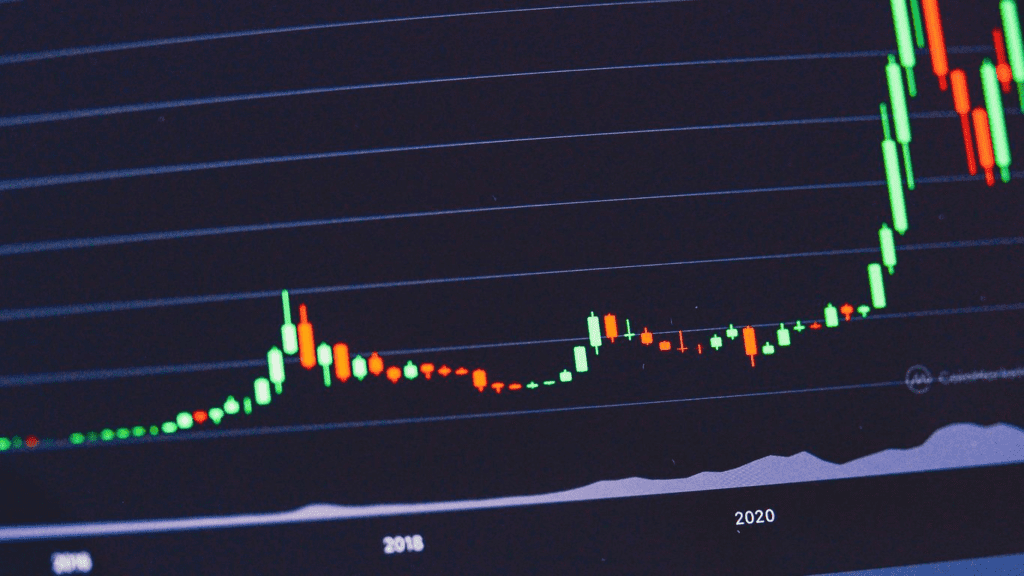
If you’ve ever tried to buy or sell crypto and ended up paying a little more (or less) than you thought you would, you’ve experienced slippage. Slippage happens when the price you expect isn’t the price you actually get once the deal goes through. Even a small gap between these two numbers can make a noticeable difference in your gains or losses.
Unexpected costs occur in trading when the market moves between the moment you start a trade and when it finishes. Even quick trades can be affected if things are busy or unstable.
What Slippage Means For Traders
- When you put in a trade, you picture a certain price, but market changes can mess with that expectation.
- Both buyers and sellers face slippage, whether they’re trading big or small amounts.
- Slippage isn’t always bad. Sometimes, the price shifts in your favor—but most folks notice when it costs them.
The main thing to understand is that in crypto, prices jump around—a lot. Markets can shift in the blink of an eye during wild swings or heavy trading times, especially on platforms like decentralized exchanges. This leads to slippage being a regular feature of buying or selling coins, not a one-off hassle. For more background, you can look at how the difference between expected and executed prices is explained in crypto transactions.
The Difference between Expected and Executed Prices
Let’s say you’re ready to buy Bitcoin for $1,000. By the time your order is matched, the lowest available price has moved to $1,020. That $20 difference is the slippage. The bigger or less popular the coin, the more likely you are to face these surprises.
Why does this matter? Over time, slippage can add up. If you’re trading often or with larger sums, being aware of how and when it happens lets you make smarter moves.
- Prices in crypto move fast, so small time delays during trade processing are enough to create differences.
- High trading demand or network slowdowns make it hard for your order to be filled at your original price.
- Not every crypto is affected equally; major coins with lots of buyers and sellers usually have less slippage.
In short, slippage is something every crypto trader runs into sooner or later. Knowing what it is and how it hits your trades puts you in a better spot to handle it, whether you’re swapping tiny amounts or making a big move.
Factors Contributing To Slippage
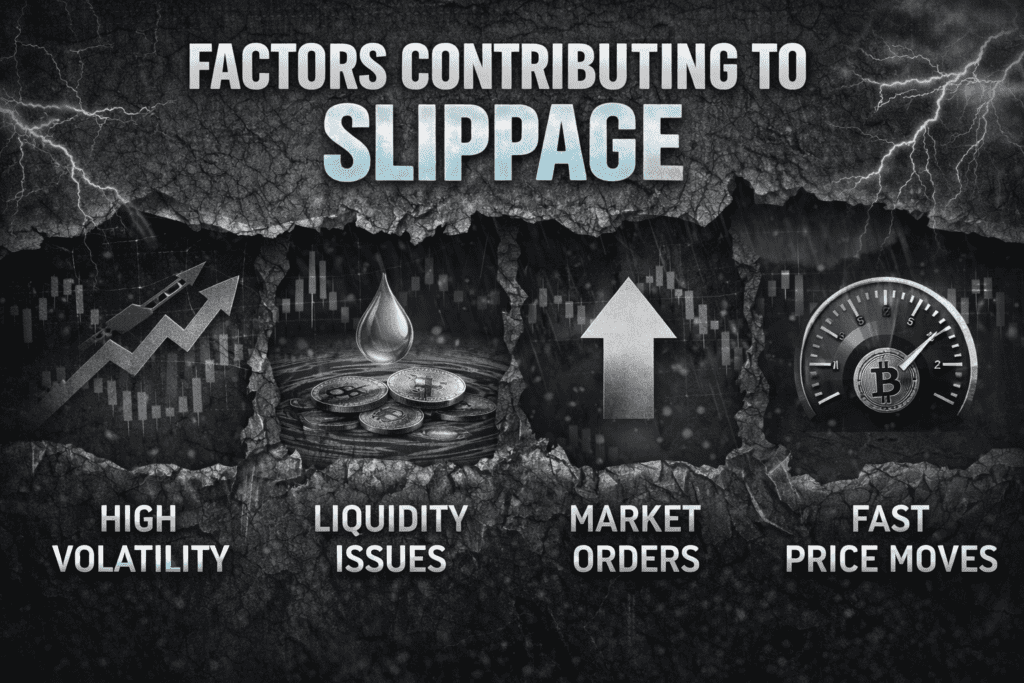
So, why does this price difference, this slippage, actually happen? It’s not just random bad luck; there are specific reasons tied to how crypto markets work. Understanding these can help you anticipate and maybe even avoid some of the less favorable outcomes.
Market Volatility and Its Impact
Think of market volatility as the crypto equivalent of a rollercoaster. Prices can shoot up or plummet down really fast, sometimes within minutes or even seconds. When you place a trade, you’re essentially saying, ‘I want to buy or sell at this price right now.’ But if the market is swinging wildly between the moment you click ‘buy’ or ‘sell’ and when the exchange actually processes your order, the price might have already changed. This rapid price movement is a primary driver of slippage. If you wanted to buy a coin at $100, but by the time your order goes through, it’s already $102, you’ve just experienced negative slippage. The faster and more unpredictable the price swings, the higher the chance of slippage.
The Role of Liquidity in Trade Execution
Liquidity is basically how easily you can buy or sell an asset without significantly affecting its price. Imagine a busy marketplace versus a quiet stall. In a busy marketplace (high liquidity), you can buy or sell a lot of goods without much fuss. In a quiet stall (low liquidity), if you try to buy a large amount, the seller might run out, or they might have to charge you a lot more because you’re buying so much. In crypto, low liquidity means there aren’t many buyers or sellers available at the exact price you want. If you place a large order in a low-liquidity market, your order might consume all the available buy or sell orders at that price, forcing the exchange to fill the rest of your order at less favorable prices. This is how low liquidity can lead to significant slippage, especially for larger trades.
Network Congestion and Transaction Delays
Cryptocurrency transactions don’t happen instantly. They need to be confirmed on the Blockchain, and this process can sometimes take time. If the network is busy – think of it like rush hour traffic on a highway – transactions can get delayed. This delay is another factor that contributes to slippage. While your transaction is waiting to be confirmed, the market price of the crypto you’re trying to trade can change. This is particularly relevant for transactions that require on-chain confirmation before they are considered fully executed on an exchange. Even small delays can matter when prices are moving quickly. The longer a transaction takes to confirm, the greater the chance that the market price will move away from your intended execution price, leading to slippage.
It’s important to remember that slippage isn’t always a bad thing. Sometimes, you can get lucky and have your order filled at a better price than you expected. This is called positive slippage. However, negative slippage, where you get a worse price, is more common and can eat into your profits or increase your losses if you’re not careful.
Strategies to Mitigate Slippage
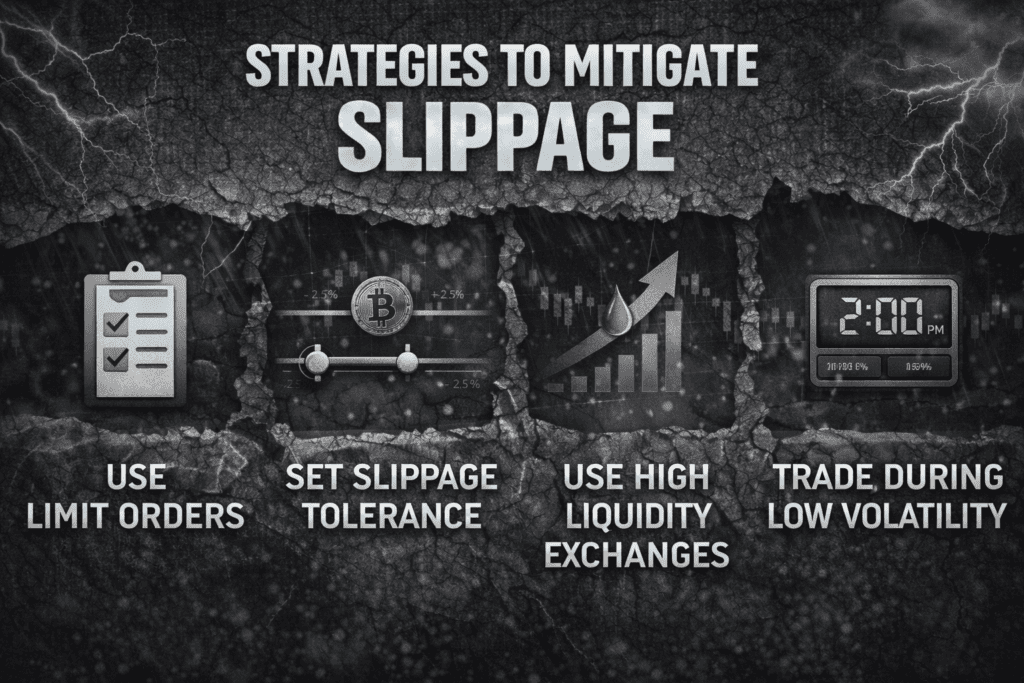
There’s no way around it—slippage is part of trading crypto. Still, you don’t have to just accept unfavorable outcomes. There are some practical ways to keep slippage from eating into your profits or causing more stress than necessary.
Utilizing Limit Orders Effectively
Limit orders are a simple tool that lets you select the price you’re comfortable buying or selling at; if the market doesn’t reach that price, the trade just won’t go through. This gives you more control over what you actually pay or receive, helping to keep unpleasant surprises at bay. Here are a few tips for using them well:
- Set clear price expectations for your buy or sell.
- Avoid placing large limit orders on low-volume pairs, as they may not fill.
- Regularly review and adjust limit prices according to shifting market conditions.
Limit orders are one of the most reliable methods for avoiding major slippage in crypto trading.
Setting Stop-Loss Orders
A stop-loss order sells your asset once it reaches a certain price, protecting you from bigger losses if the market turns against you. It’s not a guarantee you’ll get your chosen price during wild swings, but it does minimize major downsides. If you:
- Clearly define your risk for every trade,
- Adjust stop-loss levels as your trade moves,
- Avoid setting stop-losses too close to the market (to minimize getting stopped by normal price noise), then you’ll have a firmer grip on loss management, even during hectic trading sessions.
Leveraging Trading Bots
Trading bots sound fancy but they’re just programs that buy and sell according to your set rules, even if you’re asleep. Bots can make quick moves based on price changes that a human might miss. They help you:
- Execute trades faster than manual clicks,
- Take advantage of fleeting market opportunities,
- Reduce emotional decision-making during trades.
Most trading bots are customizable, so you can create rules that strictly limit your slippage exposure without constant screen monitoring.
Monitoring Market Conditions
Staying on top of current market activity helps you spot times when slippage is more likely. Sometimes, just waiting for things to calm down can save you money. Practices include:
- Checking order book depth before trading larger sums,
- Avoiding trades when network congestion is high,
- Tracking major announcements that might cause volatility.
Wrapping Up: Slippage in Crypto
So, slippage in crypto trading is basically when the price you get for a trade isn’t quite what you expected when you placed the order. It happens because the crypto market moves so fast, and sometimes there aren’t enough buyers or sellers at that exact moment, or the network gets busy. While you can’t always avoid it completely, understanding why it happens and knowing how to calculate it is a big help. Using tools like limit orders or setting your slippage tolerance can really cut down on those unexpected price differences. Just remember, slippage is just one part of trading, so keep learning and stay aware of the market.