![You are currently viewing Stop Loss vs Liquidation Crypto…[What Nobody Tells You]](https://cryptonomicshub.com/wp-content/uploads/2026/03/ChatGPT-Image-Mar-2-2026-10_49_52-AM-1.png)
The brutal truth about stop loss vs liquidation crypto has already wiped out thousands of traders…and nobody warned them in time. You’ve probably heard about stop losses and liquidations in the crypto world. They sound kind of similar, right? Both involve your trade closing automatically. But trust me, they’re not the same thing at all, and knowing the difference could save you a lot of money. Let’s break down stop loss vs liquidation crypto so you can trade smarter.
Still confused why 73% of traders blow up in futures? Read Spot vs Futures (The $10,000 Mistake Most Beginners Make…) before you place another trade.
Liquidation in crypto means the exchange forcibly closes your trading position because your losses have eaten through your margin. You don’t get to decide when it happens — by the time it does, your money is already gone.
Key Takeaways
- A stop-loss order is your own safety net, set by you to exit a trade before losses get too big. Liquidation, on the other hand, is when the exchange forces your trade closed because you’ve run out of margin.
- Using leverage amplifies both potential gains and losses. High leverage means a small price move against you can lead to liquidation, wiping out your entire investment in that trade.
- To avoid liquidation, you need to manage your leverage carefully, use stop-loss orders, size your positions wisely, and keep an eye on the market. It’s all about protecting your capital.
| Stop Loss | Liquidation | |
| What triggers it | Price hits a level you set | Price hits a level the exchange sets |
| Who controls it | You | The exchange |
| What you lose | Loss up to your stop price only | Your entire margin |
| Can you cancel it | Yes, anytime | No, it’s instant |
| Applies to | Spot + leveraged positions | Leveraged positions only |
| Warning before it fires | You already know — you set it | Sometimes none at all |
| Protects your margin | Yes, if placed correctly | No — it’s the margin running out |
A stop loss is a tool you use. Liquidation is what happens when you don’t — or when the market moves too fast.
Understanding Stop Loss vs Liquidation
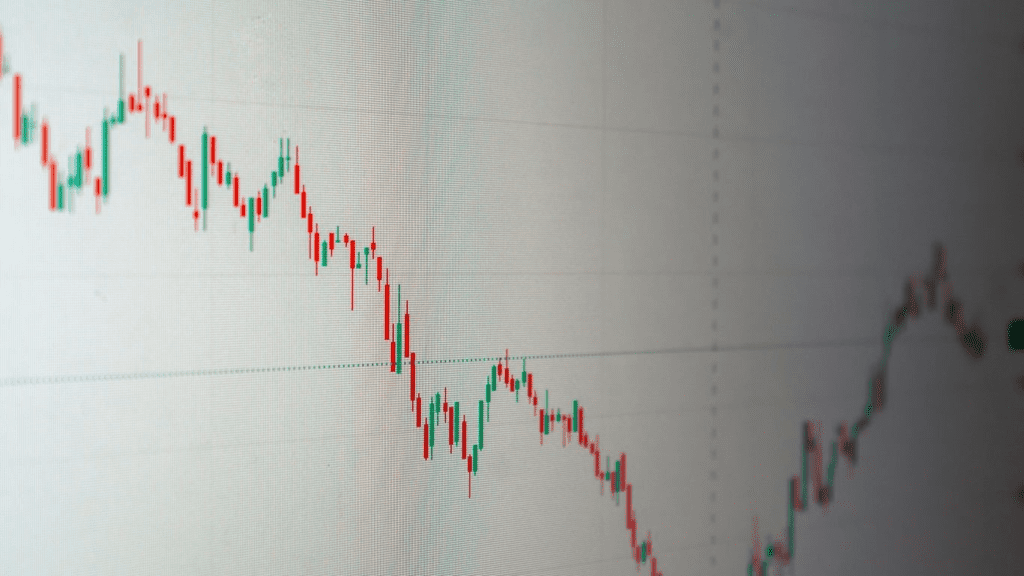
When you trade with leverage in the crypto markets, you’re essentially borrowing funds to make bigger bets. This can amplify your profits, but it also ramps up the risk. Two terms you’ll hear a lot are ‘stop loss’ and ‘liquidation.’ While they both involve closing a position, they’re very different beasts, and knowing the difference can save you a lot of money.
What Constitutes Liquidation in Crypto Trading?
For a trusted definition and deeper context on how liquidation works in leveraged crypto markets, refer to this authoritative overview from Nasdaq on what liquidation means and how it impacts traders. Liquidation is what happens when the market moves so far against your leveraged position that you can no longer meet the minimum collateral requirements set by the exchange. Think of it as the exchange stepping in to forcibly close your trade to prevent you from losing more money than you have. It’s an automatic process. When your margin balance drops below a certain level, called the maintenance margin, the exchange liquidates your position. This usually means you lose all the collateral you put up for that trade, and sometimes even more if there’s extreme volatility or slippage. It’s a harsh reality of leveraged trading, designed to protect both you and the exchange from going into debt.
The Role of Margin in Preventing Total Loss
Margin is the collateral you put up when you open a leveraged trade. It’s your stake in the game. When you trade with leverage, you’re using margin to control a larger position than your initial deposit would normally allow. The exchange constantly monitors your margin level. If the market moves against you, your unrealized losses eat into your margin. If your margin falls too low, you hit the liquidation point. The exchange’s goal with liquidation is to close your position before your losses exceed your deposited margin, thereby preventing you from owing the exchange money. It’s a safety net, albeit a painful one, that stops your account from going into negative equity.
Key Differences in Stop Loss vs Liquidation Crypto
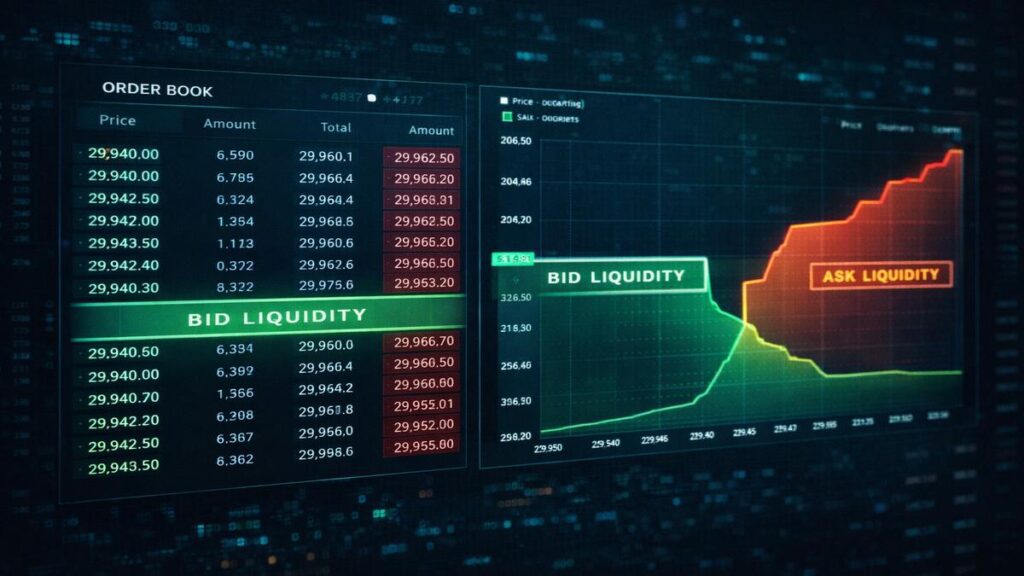
When you’re trading crypto, especially with leverage, you’ll run into two terms that sound similar but act very differently: stop loss and liquidation. Understanding this difference is pretty important if you want to keep your funds safe.
How Stop-Loss Orders Function
A stop-loss order is basically a safety net you set up yourself. You decide on a price point, and if the market hits that price, your order automatically triggers to sell your asset. This is designed to limit how much money you could lose on a trade. Think of it like setting an alarm before a potential problem gets too big. You’re in control here; you choose the trigger price based on your risk tolerance and market analysis.
- You set the trigger price.
- It’s a proactive risk management tool.
- It aims to prevent large, unexpected losses.
The Mechanics of Forced Position Closure
Liquidation, on the other hand, is not something you set up. It’s an automatic process initiated by the exchange or trading platform. This happens when your trading position loses so much value that it falls below the required margin level. Essentially, you’ve borrowed funds to trade larger than your own capital (using leverage), and if the market moves against your bet, your collateral isn’t enough to cover the potential loss anymore. The exchange steps in to close your position to prevent you from losing more money than you have, and to protect the exchange itself. It’s a forced exit, and it usually means you lose all the money you put up as collateral for that specific trade.
Liquidation is the exchange’s way of saying, “Okay, this trade is too risky to continue, we’re closing it now.” It’s a reactive measure, triggered by market movements and your margin levels, not by a price you pre-selected.
Strategies to Mitigate Risk

When you’re trading crypto, especially with leverage, things can get dicey fast. It’s not just about picking the right trades; it’s also about protecting yourself from those sudden market swings that can wipe out your capital. Think of it like driving a car – you need more than just a good engine; you need brakes, seatbelts, and a bit of caution.
Leverage Management and Position Sizing
One of the biggest culprits behind forced liquidations is using too much leverage. While it sounds exciting to multiply your potential profits, it also multiplies your potential losses. If the market moves even a little bit against you, a highly leveraged position can get wiped out quickly. It’s generally smarter to use lower leverage, maybe 2x to 5x. This gives your trades more room to breathe and withstand normal price fluctuations. You might not make as much on a winning trade, but you’re far less likely to get liquidated.
Position sizing is just as important. This means deciding how much of your total trading capital you’re willing to risk on any single trade. A common recommendation is to risk only 1-2% of your capital per trade. This way, even if a trade goes completely south and gets liquidated, it won’t cripple your entire account. You’ll still have funds left to trade another day.
The Importance of Active Monitoring and Analysis
Markets don’t stand still, and neither should your attention. Crypto prices can change dramatically in minutes, especially during big news events or when trading volume is low. You need to keep an eye on your open positions. Regularly check your margin levels and your liquidation price. If you see a position getting close to the danger zone, you have a few options: you can add more collateral to your margin, reduce the size of your position, or close it altogether before it gets forcibly liquidated.
Staying informed about broader market trends and potential economic shifts is also part of smart trading. Sometimes, external factors you can’t control can cause big price swings. Being aware of these can help you prepare.
Here are some things to keep in mind:
- Watch your margin ratio: This tells you how much equity you have relative to your borrowed funds. A declining ratio is a warning sign.
- Understand funding rates: For perpetual futures, these fees can eat away at your margin over time, even if the price isn’t moving much.
- Be aware of market news: Major economic announcements or geopolitical events can cause sudden volatility. Consider adjusting your positions or reducing leverage during these times.
By managing your leverage carefully, sizing your positions appropriately, and actively monitoring your trades, you significantly reduce your chances of facing liquidation. It’s all about playing defense to protect your capital so you can keep trading. You can find more information on how to avoid liquidation by reading about risk management.
Wrapping Up: Stop Loss vs. Liquidation
So, you’ve learned about stop losses and liquidations. They both deal with closing your trades, but in very different ways. A stop loss is your tool, something you set up to protect yourself before things get too bad. Liquidation, on the other hand, is the exchange stepping in when you’ve run out of options and your margin isn’t enough. It’s like the emergency brake that slams shut when you’ve gone too far. Always remember to use stop losses wisely and keep an eye on your margin. It’s about staying in the game, not getting wiped out.
FAQ
Q1: What is the difference between a stop loss and liquidation in crypto?
A stop loss is an order you set to exit a trade at a chosen price. Liquidation is forced by the exchange when your margin runs out. With a stop loss, you control the exit. With liquidation, you don’t — and you lose your entire margin.
Q2: Does a stop loss prevent liquidation in crypto?
It reduces the risk but doesn’t guarantee prevention. Stop losses are triggered as market orders and are subject to slippage, meaning price can gap past your stop in a volatile move and still trigger liquidation.
Q3: What happens to your money when you get liquidated in crypto?
The exchange closes your position and uses your margin to cover the losses. Any remaining margin is returned. If losses exceed your margin, an insurance fund typically covers the gap. You can lose everything you put in
Q4: Where should I set my stop loss to avoid crypto liquidation?
Use technical levels like below support or above resistance — not round numbers. Always place your stop loss well above your liquidation price so there’s enough buffer for normal market fluctuations.
Q5: Can you get liquidated even with a stop loss set in crypto?
Yes. Stop losses are not a guarantee against liquidation, especially in volatile markets where prices can change rapidly. In extreme moves or flash crashes, price can skip past your stop entirely