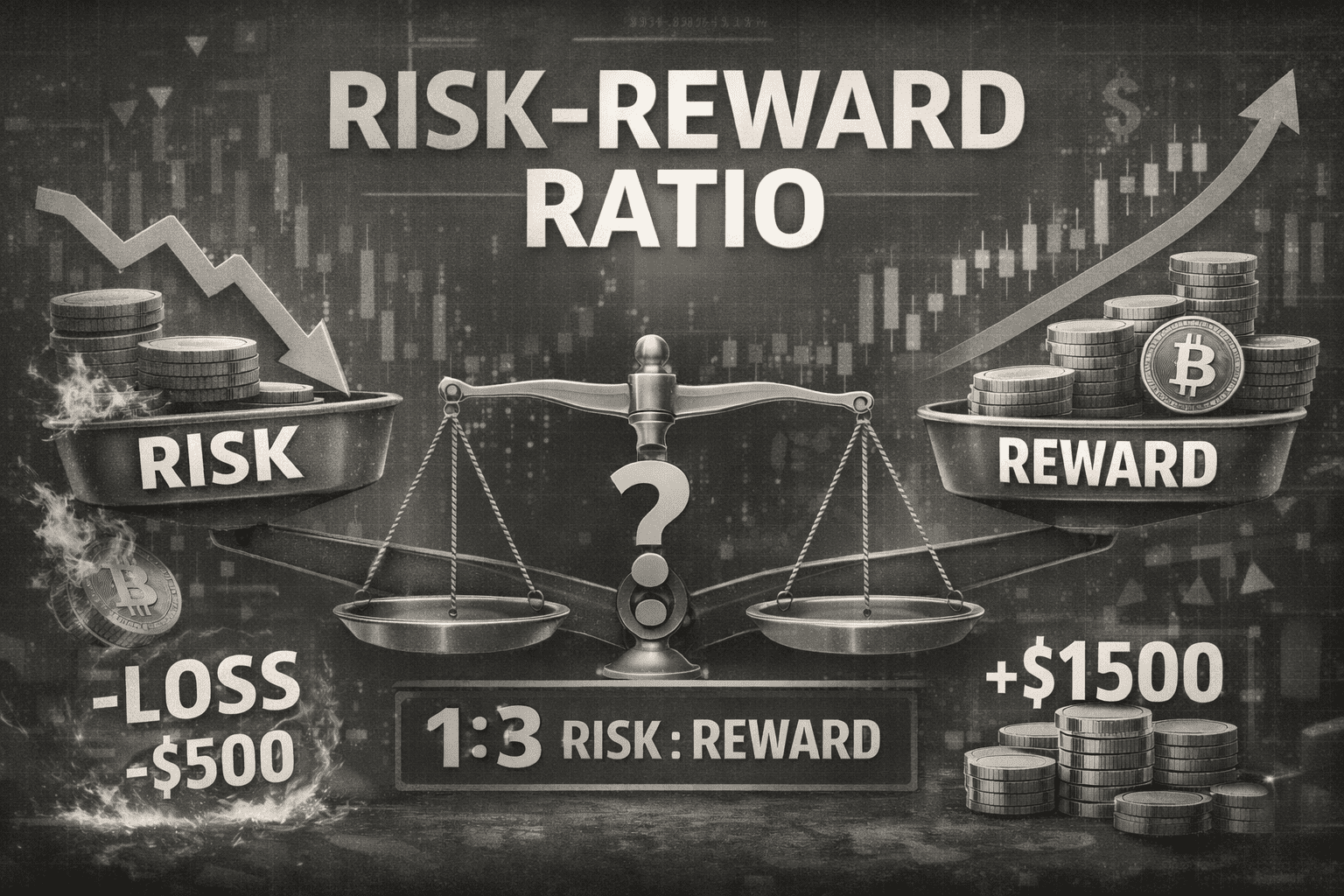
Most traders lose money because they ignore one powerful metric — the Risk-Reward Ratio. Understanding the Risk-Reward Ratio can instantly change how you manage losses and maximize gains.
If you want smarter trades and consistent profits, mastering the Risk-Reward Ratio is non-negotiable. You’re always looking for ways to make smarter moves and hopefully end up with more money than you started with. One tool that can really help you do that is the risk-reward ratio. It’s not some complicated secret, just a straightforward way to figure out if a trade is probably worth the chance you’re taking. Let’s break down what the Risk-Reward Ratio is and how you can use it in your crypto trading.
Key Takeaways
- The Risk-Reward Ratio helps you compare potential profit against potential loss for any given trade, giving you a clearer picture of whether a trade is worth pursuing.
- Calculating the Risk-Reward Ratio involves knowing your entry point, your stop-loss (where you’ll cut your losses), and your take-profit target (where you’ll secure your gains).
- While a higher ratio like 2:1 or 3:1 is often recommended, the best Risk-Reward Ratio for you depends on your personal trading style, risk tolerance, and the specific market conditions.
Understanding the Risk-Reward Ratio
What Is the Risk-Reward Ratio?
So, you’re looking at a crypto trade and wondering if it’s worth the gamble. That’s where the risk-reward ratio comes in. It’s basically a way to compare how much you could potentially lose versus how much you could potentially gain on any given trade. Think of it as a simple tool to help you decide if a trade makes sense for your wallet. In the wild world of crypto, where prices can swing wildly, having a handle on this ratio is pretty important for managing your money.
It helps you answer the question: “Is the potential profit big enough to justify the potential loss?”
Here’s a quick breakdown:
- Risk: This is the amount of money you’re prepared to lose if the trade doesn’t go your way. It’s often tied to your stop-loss level.
- Reward: This is the amount of profit you aim to make if the trade goes as planned. It’s usually linked to your take-profit target.
The risk-reward ratio isn’t about predicting the future; it’s about setting up your trades so that your potential wins are significantly larger than your potential losses. This approach helps you stay in the game even if you have a few losing trades.
Calculating the Risk-Reward Ratio
Calculating the risk-reward ratio is pretty straightforward once you know your numbers. You need two main things: your potential profit and your potential loss.
Let’s say you’re looking at a trade for a cryptocurrency. You’ve done your research and decided:
- Entry Price: You want to buy at $10.
- Stop-Loss Price: You’ll sell if it drops to $8 to limit your losses. This means your risk is $2 per coin ($10 – $8).
- Take-Profit Price: You aim to sell if it goes up to $16 to lock in profits. This means your potential reward is $6 per coin ($16 – $10).
To find the ratio, you divide the potential reward by the potential risk:
Risk-Reward Ratio = Potential Reward / Potential Risk
In our example:
Risk-Reward Ratio = $6 / $2 = 3
This gives you a risk-reward ratio of 3:1. This means for every $1 you risk, you’re aiming to make $3. A higher ratio generally means a more favorable trade, assuming your analysis is sound. You can find tools and calculators online to help with this, or simply do the math yourself based on your planned entry, stop-loss, and take-profit levels for crypto trading.
Applying the Risk-Reward Ratio in Crypto Trading
So, you’ve figured out what the risk-reward ratio is and how to calculate it. That’s great! But how do you actually use this in the wild world of crypto trading? It’s not just about crunching numbers; it’s about making smart decisions when the market is moving fast.
Factors Influencing the Risk-Reward Ratio
Several things can shift the risk-reward ratio for any given trade. You can’t just set it and forget it. You’ve got to keep an eye on what’s happening.
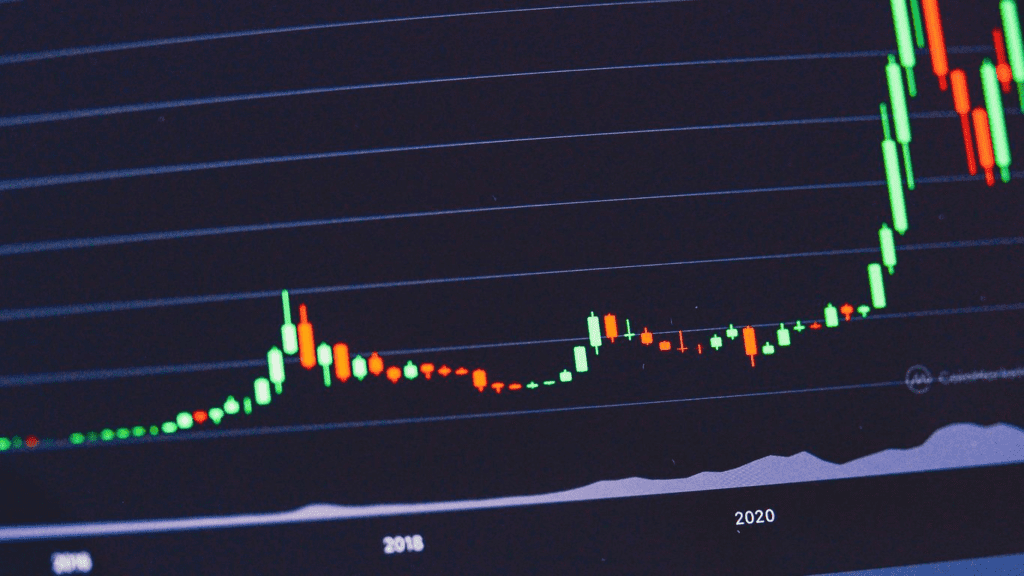
- Market Volatility: Crypto is known for its wild swings. A coin that’s usually pretty stable might suddenly jump or drop. This means the potential risk and reward can change quickly. Less known coins tend to be more volatile than big ones like Bitcoin or Ethereum.
- Liquidity: This is about how easily you can buy or sell a crypto without messing up the price. If a coin is hard to trade (low liquidity), you might pay more to get in or sell for less than you expected. This adds to your risk.
- Underlying Technology: Think about the tech behind the crypto. Is it solid, secure, and innovative? A project with strong tech is more likely to stick around and attract investors, which can lower the risk over time.
- Regulatory News: Governments around the world are still figuring out how to handle crypto. New rules or even just talk of new rules can shake up prices. Uncertainty here definitely increases the risk.
Remember, the risk-reward ratio is a tool, not a crystal ball. It helps you assess potential trades, but it can’t predict unexpected news or sudden market shifts. Always consider other factors like market sentiment and breaking news.
Setting Optimal Risk-Reward Targets
Figuring out the best risk-reward ratio for you isn’t a one-size-fits-all deal. It depends on your own comfort level with risk and your trading style. However, many traders aim for a ratio that suggests the potential reward is greater than the potential loss.
Here’s a common approach:
- Define Your Goals: What are you trying to achieve with this trade? How much are you willing to lose (your risk)? How much do you hope to gain (your reward)?
- Calculate Potential Profit and Loss: Based on your entry point, where would you set your stop-loss (to limit losses) and your take-profit (to secure gains)?
- Determine the Ratio: Divide your potential profit by your potential loss. For example, if you could make $200 but might lose $100, your ratio is 2:1. This means for every dollar you risk, you’re aiming to get two dollars back.
A common target is a 2:1 or 3:1 risk-reward ratio. This means you’re looking for trades where the potential profit is at least twice or three times the amount you’re risking.
It’s also smart to use this ratio consistently across all your trades. This helps you build a disciplined approach. Don’t forget to combine it with other analysis tools to confirm your trade ideas. And if market conditions change, be ready to adjust your stop-loss or profit targets. Tracking your ratios over time can show you what’s working and what’s not in your strategy.
Wrapping Up Your Trading Strategy
So, you’ve learned about the risk-reward ratio, which is basically a way to check if a trade is worth the gamble. It helps you compare what you could win against what you might lose. Using this ratio can make you a smarter trader, helping you avoid big mistakes and keep your money safer. Remember, it’s not the only thing to look at, but it’s a solid tool to have in your kit. Keep practicing, stay flexible with the market, and you’ll get the hang of it.