Did your $10K vanish overnight… and you’re still wondering what hit your trade?
The brutal reality of long squeeze vs short squeeze crypto is that most retail traders on Binance or Coinbase don’t see it coming. Ever feel like you’re just trying to keep up with crypto? It’s a wild ride, for sure. One minute prices are soaring, the next they’re crashing. A big part of this up-and-down action comes down to something called a ‘squeeze’. You might have heard about long squeezes and short squeezes, and understanding the difference is key to not getting caught off guard. We’re going to break down what these mean, especially in the crypto world, and how they can shake things up.
Think liquidation is the same as a stop loss? Think again… discover the BRUTAL difference in Stop Loss vs Liquidation in Crypto before your next Binance or Coinbase trade wipes 80% of your position.
What Is a Long Squeeze in Crypto?
Long squeeze vs short squeeze crypto — what’s the difference, and why does it matter for Bitcoin traders? A long squeeze forces leveraged buyers to sell at a loss, while a short squeeze forces sellers to buy back at higher prices. In this guide, we explain long squeeze vs short squeeze crypto with real Bitcoin examples, liquidation data, and how traders lose $10K+ when they guess wrong.
A long squeeze happens when an asset’s price drops sharply, forcing traders who borrowed money to buy (leveraged longs) to sell their positions at a loss. This creates a cascade of selling that pushes the price even lower. In crypto, long squeezes are common because most retail traders trade with high leverage.
Key Takeaways
- A long squeeze happens when prices drop fast, forcing people who bet on prices going up (long positions) to sell quickly to cut losses, which can push prices down even more.
- A short squeeze is the opposite. When prices rise unexpectedly, people who bet on prices going down (short positions) have to buy back the crypto they borrowed to close their losing bets, driving prices up even faster.
- Right now, we’re seeing a lot more long liquidations than short ones in crypto, which some think could be setting the stage for a potential short squeeze, meaning prices might be headed up.
Understanding Crypto Squeeze Dynamics
Long Squeeze vs Short Squeeze: Key Differences
The key thing both squeezes share: neither is driven purely by market fundamentals. They are driven by forced positions closing — which is why they move so fast and feel so violent when you’re caught in one.
| Long Squeeze | Short Squeeze | |
| Who gets hurt | Long traders (bulls) | Short traders (bears) |
| Price direction | Drops sharply | Rises sharply |
| What triggers it | Sudden unexpected price fall | Sudden unexpected price rise |
| Forced action | Selling to avoid liquidation | Buying to cover short positions |
| Effect on price | Accelerates the drop | Accelerates the rise |
| How to spot it | Spike in long liquidations on exchanges | Spike in short liquidations on exchanges |
| Recent crypto example | BTC March 2020 crash | GME-style meme coin pumps |

The Prelude to a Squeeze: Long Liquidations Take Center Stage
When you trade crypto, you’re dealing with a lot of ups and downs. Positions, whether you’re betting prices will go up (long) or down (short), are key. When prices drop unexpectedly, traders who bet on them going up get hit. These are called long liquidations. It’s basically the market forcing you to close your position to stop further losses. Think of it like a safety net, but one that snaps shut when things go south.
Lately, we’ve seen a lot more long liquidations happening than short ones. This might sound like the market is feeling pretty down, but it could actually be setting the stage for something else. When a lot of people are forced out of their long positions, it can clear the way for prices to potentially move up quickly. It’s like clearing debris before a big event.
What Is a Bitcoin Long Squeeze? Two Real Examples
A Bitcoin long squeeze follows the same mechanics as any long squeeze — but because BTC is the most heavily traded crypto asset, the liquidations tend to be faster, larger, and more brutal than almost anything else in the market.
Here’s how it has played out in real life:
March 2020 — The COVID Crash
On March 12–13, 2020, Bitcoin dropped from around $7,900 to under $4,000 in less than 48 hours — a fall of nearly 50%. Traders holding leveraged long positions had no time to react. As prices fell, exchanges began automatically liquidating long positions to cover margin requirements. Each forced sale pushed the price lower, which triggered the next round of liquidations. Over $1 billion in long positions were wiped out in a single day. The cascade was so severe that BitMEX temporarily halted trading to prevent a complete market breakdown.
The mechanism: Price drops → margin calls fire → forced selling → price drops further → more margin calls → repeat.
November 2022 — The FTX Collapse
When FTX imploded in November 2022, Bitcoin fell from around $21,000 to under $16,000 in days. Traders who had opened long positions expecting a recovery were caught off guard. As confidence evaporated, long liquidations cascaded across multiple exchanges simultaneously — not just on FTX. Hundreds of millions in leveraged longs were forcibly closed within 72 hours, accelerating the sell-off far beyond what the FTX news alone would have caused.
The mechanism: Panic selling → price breaks support levels → leveraged longs liquidated → support levels break further → new longs liquidated.
What Both Events Have in Common
In both cases, the real damage wasn’t caused by the initial price drop — it was caused by the chain reaction of forced liquidations that followed. Retail traders holding leveraged longs had no chance to exit cleanly. The squeeze did the damage before they could act.
This is why understanding a Bitcoin long squeeze isn’t just useful history — it’s the difference between managing risk and watching your position disappear overnight.
The Dynamics of a Short Squeeze: A Fresh Perspective
According to CoinMarketCap’s Academy, a short squeeze in crypto happens when rising prices force traders betting against a coin to buy back positions, creating intense upward pressure that accelerates price moves — a key part of understanding long squeeze vs short squeeze crypto. A short squeeze is a bit different and can really shake things up. It happens when the price of an asset starts climbing fast, and traders who bet against it (short sellers) are forced to buy it back to limit their losses. This buying action, in turn, pushes the price even higher. It’s a snowball effect.
Given the current trend where long liquidations are more common, the market might be more vulnerable to a short squeeze. A small push, maybe some good news or a change in how people are feeling about crypto, could trigger a rapid price increase. This would put a lot of pressure on those who have shorted the asset, forcing them to buy and accelerating the price jump.
Here’s a quick look at how it can play out:
- Price Rises: An asset’s price starts to increase.
- Short Sellers Feel Pressure: Traders who bet on the price falling face mounting losses.
- Forced Buying: To cut their losses, short sellers start buying the asset.
- Price Accelerates: This sudden buying demand pushes the price up even faster.
- More Short Covering: More short sellers are forced to buy, creating a loop.
The current market environment, with a noticeable increase in long liquidations, presents a unique setup. It suggests that while many traders are being taken out of their bullish bets, the underlying conditions might be ripe for a sharp upward move if a catalyst appears. This doesn’t mean it’s guaranteed, but it’s a dynamic to watch closely.
Navigating Market Volatility
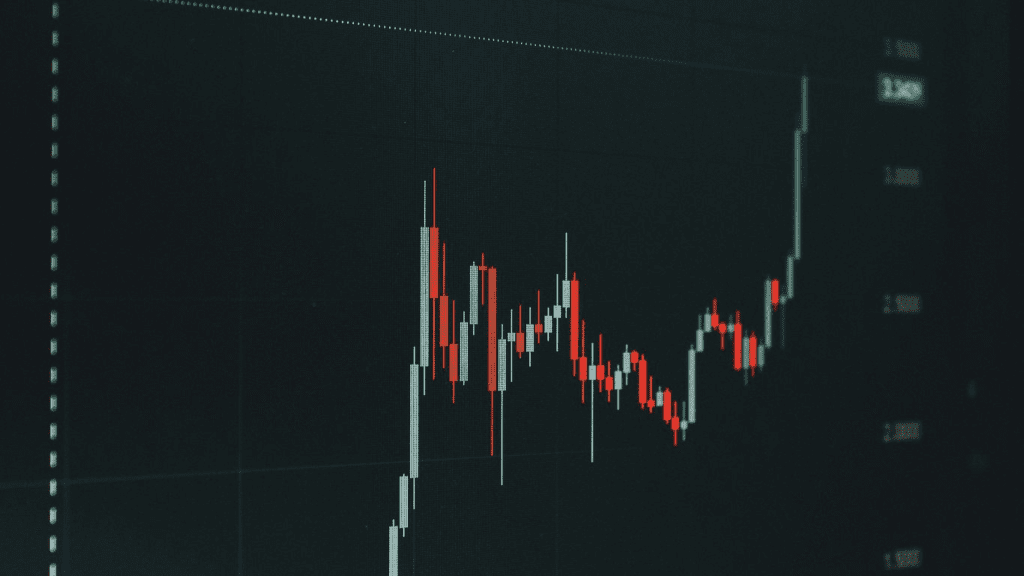
The crypto market can feel like a rollercoaster, right? One minute prices are soaring, the next they’re plummeting. A big reason for these wild swings is something called liquidation. When traders use borrowed money, or leverage, to make bigger bets, they have to put up collateral. If the market moves against their bet too much, their position gets automatically closed, or liquidated, to prevent bigger losses. This forced selling can really push prices down, sometimes faster than you’d expect.
The Underlying Impact of Liquidation Trends on Market Fluctuations
You’ve probably seen headlines about massive amounts of money being wiped out in hours. This isn’t just random noise; it’s a direct result of these liquidations. When a lot of people are betting on prices going up (long positions) and the market suddenly drops, those long positions get liquidated. This creates a cascade of selling, which can overwhelm the market. It’s like a chain reaction. We’ve seen this happen, where hundreds of millions, even billions, of dollars in positions get closed out in a short period. This can make the market incredibly choppy and unpredictable.
- A surge in long liquidations often signals that the market might be losing its upward momentum.
- This selling pressure can create a downward spiral, especially if trading volumes are low.
- The interconnectedness of these leveraged trades means a problem in one area can quickly spread, affecting the whole market.
Understanding these liquidation trends is key. It’s not just about watching the price charts; it’s about seeing the underlying mechanics that can cause those sharp moves. When you see a lot of long positions getting liquidated, it’s a sign that the market’s mood might be shifting, and it could set the stage for different kinds of price action.
Risk Management: A Shield against Market Whirlwinds
So, how do you protect yourself when the market is this unpredictable? It all comes down to risk management. This means having a plan before you even enter a trade. It’s about not putting all your eggs in one basket and setting limits on how much you’re willing to lose.
Here are some basic steps you can take:
- Use Stop-Loss Orders: These are orders that automatically sell your crypto if it drops to a certain price. It’s like an insurance policy against big losses.
- Manage Your Leverage Wisely: Using too much borrowed money is a fast track to liquidation. Be conservative with leverage, especially in volatile markets.
- Diversify Your Holdings: Don’t put all your capital into a single cryptocurrency. Spreading your investments can help cushion the blow if one asset performs poorly.
- Stay Informed, But Avoid Emotional Decisions: Keep an eye on market news and trends, but don’t let fear or greed dictate your actions. Stick to your trading plan.
A solid risk management strategy is your best defense against the unpredictable nature of crypto markets. It helps you stay in the game longer, even when things get rough. A comprehensive guide on crypto risk management strategies that explains essential tactics like position sizing, stop-loss orders, and leverage control — essential knowledge for anyone protecting their portfolio in volatile markets like Binance or Coinbase. Risk Management Strategies in Crypto Trading (Coin Bureau)
Bitcoin Long Squeeze Example (Real Data)
In March 2024, Bitcoin experienced a long squeeze when price dropped from 73,000 to 65,000 in 24 hours. Over $400 million in long positions were liquidated. This is a classic example of a long squeeze vs short squeeze crypto scenario — where leveraged longs get trapped.
Wrapping Up Your Crypto Journey
So, you’ve seen how crypto markets can swing wildly, with long squeezes and short squeezes playing a big part. Right now, it looks like a lot of long positions are getting closed out. This might seem scary, but it could also be setting the stage for something else entirely. Understanding these market movements, like the difference between a long and a short squeeze, is key. It helps you see the bigger picture and not just react to every little price change. Keep an eye on these trends, manage your risks, and you’ll be better prepared for whatever the crypto market throws your way next.
FAQ
What is a long squeeze vs short squeeze crypto in simple terms?
A long squeeze forces leveraged buyers (longs) to sell when price drops. A short squeeze forces leveraged sellers (shorts) to buy when price jumps. Both cause rapid, unexpected price moves — but in opposite directions.
What is a real Bitcoin long squeeze example?
In March 2024, Bitcoin dropped from $73,000 to $65,000 in 24 hours, liquidating over $400 million in long positions. That’s a classic long squeeze — leveraged longs forced to sell, making the drop even worse.
Which is worse — a long squeeze or a short squeeze for crypto traders?
For most crypto traders, a long squeeze is worse because the majority of retail traders hold long positions with high leverage. Long squeezes also happen more frequently in crypto markets than short squeezes.
How can I spot a long squeeze before it happens?
Watch for three signs: (1) high leverage long ratio above 80%, (2) price near key support levels, and (3) sudden drop with increasing volume. Check Coinglass for live liquidation data.
Can you profit from a long squeeze?
Yes — either by shorting before the squeeze happens, or buying the dip after liquidation cascades end. But both strategies are extremely risky. Most beginners lose money trying to time squeezes.